This week’s stories are about tech, AI and data centers, coming from Taiwan, the UK and the USA
The UK’s tax administration to fight fraud with AI
Britain’s tax authority signed a 10-year agreement with London-based AI firm Quantexa to strengthen its efforts to detect fraud and reduce errors in tax returns.
I read this story at Engadget and HM Revenue & Customs said the partnership will use AI to identify suspicious activity, uncover fraudulent behavior and correct accidental filing mistakes. According to the BBC, the deal is valued at £175 million ($234 million).
Under the agreement, Quantexa will combine HMRC data with information from other sources to help flag potential fraud cases and improve customer service operations. The technology will also be used to identify businesses or individuals attempting to conceal fraudulent activity and to trace legitimate taxpayer payments submitted under incorrect reference numbers, the story noted.
Founded in 2016, Quantexa develops AI-powered analytics and decision-making tools. The company also partnered with Zurich Insurance Group to improve fraud detection capabilities.
Quantexa said its systems are designed to support human oversight rather than replace it, adding that all findings generated by the technology would continue to be reviewed by HMRC staff. (By the way I have a story here about the UK and taxation)
Governments worldwide have increasingly adopted AI tools in recent years to combat fraud and improve public services. In 2024, the United States Department of the Treasury announced AI-driven fraud detection systems helped prevent and recover more than $4 billion in fraudulent payments between October 2023 and September 2024, according to the story.
The U.S. government also expanded partnerships with major technology companies, including Google, Microsoft, Anthropic and xAI, as agencies accelerate the use of AI technologies across public sector operations.

USA’s electricity grid can’t cope with AI demand
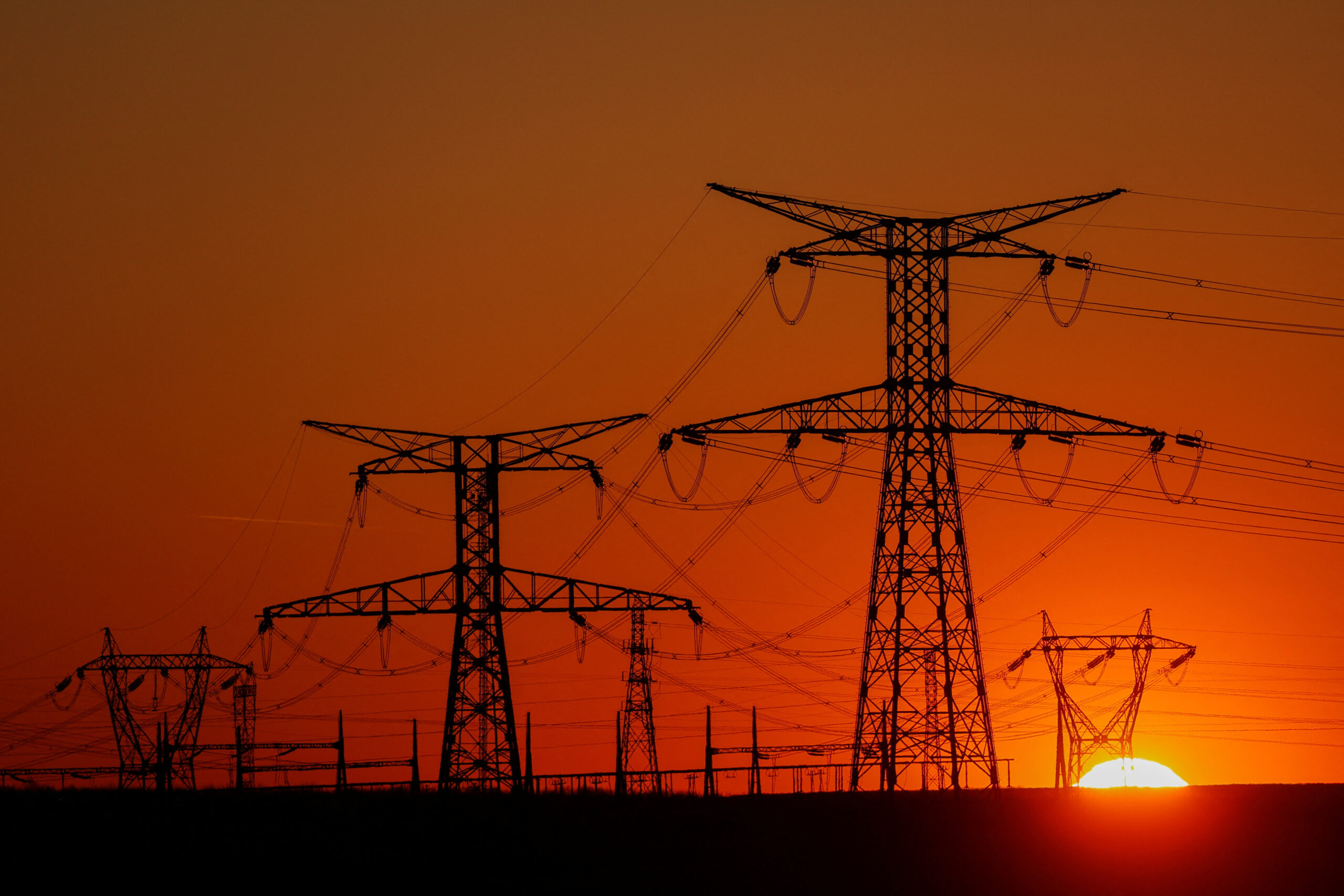
The rapid expansion of artificial intelligence (AI) is straining the U.S. power grid, as utilities, regulators and grid operators struggle to build infrastructure fast enough to meet surging electricity demand from data centers.
I saw this story at Qz and The United States needs roughly 5,000 miles (more than 8,000 kms) of new high-voltage transmission lines each year to keep up with electricity demand, according to an analysis by Grid Strategies. In 2024, however, only 888 miles were completed, widening the gap between infrastructure development and rising demand from AI-focused data centers.
Let me note that The Electric Power Research Institute estimates U.S. data centers could account for between 9% and 17% of national electricity consumption by 2030, up from about 4% in 2023.
Global electricity demand from data centers rose 17% in 2025, while electricity consumption tied specifically to AI data centers surged 50%, according to the International Energy Agency. In the U.S., data centers now account for about half of the country’s incremental electricity demand growth, the agency said.
Industry experts say the grid’s limitations stem from several well-known bottlenecks, including slow permitting processes, congested interconnection queues, equipment shortages and lengthy transmission construction timelines, the story noted.
By the end of 2025, more than 2,060 gigawatts of generation and storage projects were waiting for grid connection approval, according to a report from Lawrence Berkeley National Laboratory. That figure is roughly double the capacity of the existing U.S. power plant fleet.
Interstate transmission projects can take more than a decade to complete because of environmental reviews, permitting requirements and land acquisition challenges. according to the United States Department of Energy.
(Photo: Reuters)
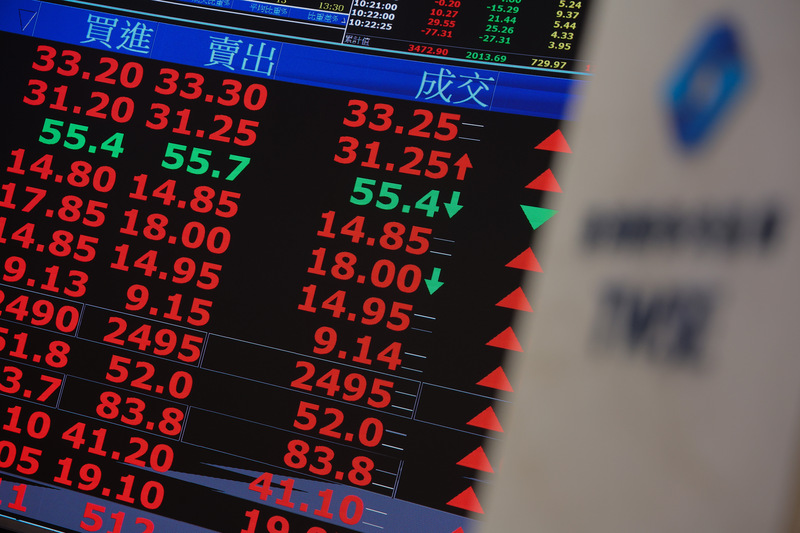
Thanks to AI, Taiwan becomes world’s 6th largest stock exchange
Taiwan’s stock market has overtaken Canada’s to become the world’s sixth largest, fueled by rising investor demand for artificial intelligence (AI) and semiconductor companies.
According to Bloomberg, the combined market value of companies listed in Taiwan climbed more than 35% this year to about $4.47 trillion, surpassing Canada’s stock market, which increased roughly 5% to $4.44 trillion over the same period.
I saw this story at Taiwan News and the surge was driven largely by semiconductor stocks, particularly Taiwan Semiconductor Manufacturing Company (TSMC), which market capitalization has risen to nearly $1.8 trillion amid strong global demand for advanced AI chips. The company now represents nearly 45% of Taiwan’s benchmark stock index, the story noted.
Analysts said Taiwan’s technology-heavy market structure has positioned it to benefit from the global AI boom, as the island’s economy remains heavily tied to chip manufacturing and electronics exports.
By comparison, Canada’s stock market is more concentrated in energy, banking and materials companies, sectors that have seen slower growth due to weaker commodity prices and a softer economic outlook, according to the story.
Market analysts said Taiwan could continue gaining ground if AI-related demand remains strong. However, they warned that the market’s dependence on a small number of major technology firms could also increase volatility if investor sentiment shifts, per the story.