Turkcell positions itself as a regional technology provider supporting Türkiye’s digital transformation through investments spanning the foundations of AI
Turkish telecommunications and technology company Turkcell is expanding investments across five core layers of artificial intelligence (AI) infrastructure as competition in the AI sector increasingly shifts from developing models to building the underlying digital systems, CEO Ali Taha Koç said.
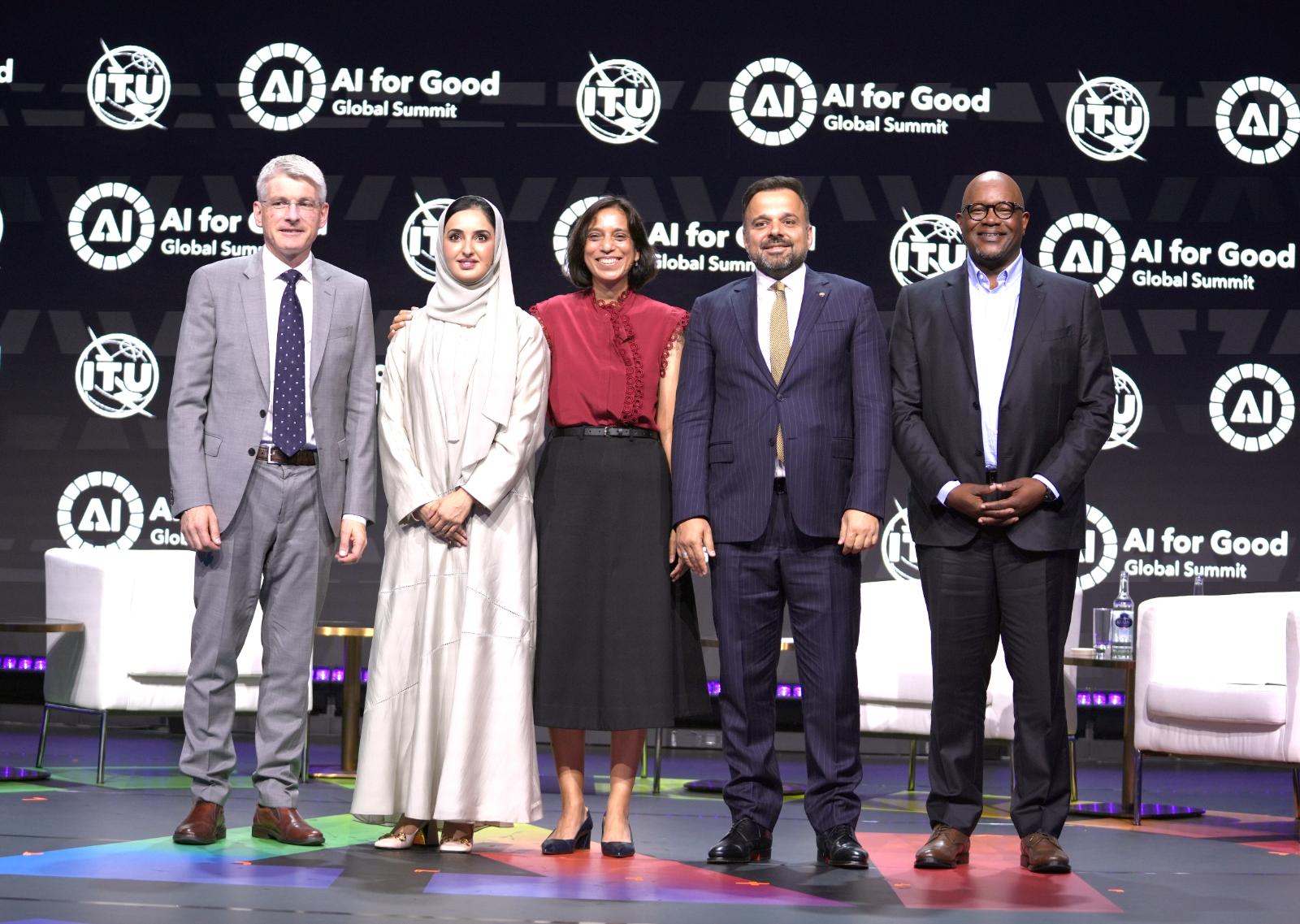
Speaking at the AI for Good Global Summit organized by the International Telecommunication Union (ITU) in Geneva, Koç noted countries and companies that establish strong and independent digital infrastructure will play a leading role in the next phase of AI development.
“Artificial intelligence is no longer a matter of models; it is a matter of infrastructure,” Koç said. “Whoever controls the infrastructure will shape the future.”
Koç noted Turkcell is positioning itself as a regional technology provider supporting Türkiye’s digital transformation through investments spanning the foundations of AI.
Five essential components of AI infrastructure
He identified five essential components of AI infrastructure: energy, semiconductor chips and computing power, data centers and cloud infrastructure, AI models, and applications.
According to Koç, success in the AI era will increasingly depend on the ability to deploy AI beyond data centers and into real-world environments, rather than solely on developing larger models or increasing computing capacity.
He added that telecommunications networks connect all layers of the AI ecosystem, allowing artificial intelligence to improve network planning, boost energy efficiency and strengthen operational resilience.
“Next-generation networks provide the infrastructure that carries AI from data centers to people, devices, cities and industries,” Koç said.
Koç said Turkcell’s investments in renewable energy, data centers and cloud technologies are designed to strengthen Türkiye’s digital infrastructure and reduce dependence on external providers.
He said countries capable of generating their own energy, storing and processing data domestically, and operating their own cloud infrastructure will gain strategic advantages in the global technology landscape.
Turkcell’s investments in energy, cloud, data, AI models and applications form part of a single long-term strategy aimed at achieving operational independence in digital infrastructure, Koç emphasized.