

This week’s stories are about tech, AI and e-commerce, coming from the EU and the USA
AI-generated “slopaganda” alerted social media platforms during US midterms
AI-generated images and videos used for political propaganda and disinformation have become a defining feature of the US midterm election campaigns, raising concerns about how social media platforms monitor election-related content.
I saw this story at Cnbc and the term “slopaganda” was first introduced in a research paper by AI experts in early 2025. It describes the combination of low-quality generative AI content with propaganda and misinformation.
The US has no comprehensive federal law regulating the use of AI in political advertising or requiring campaigns to disclose when they use the technology, the stoey said. Although around 30 states have enacted laws imposing different disclosure requirements, candidates do not always comply with them.
According to an analysis by the Wesleyan Media Project, more than $187 million has been spent on nearly 300 political ads generated or enhanced using AI tools.
Republican candidates, party committees and groups aligned with the Republican Party accounted for more than 90% of the spending. Most of the ads did not disclose their use of AI, the analysis found.
Social media platforms have adopted different policies to address the issue.
YouTube said it applies prominent labels to realistic AI-generated content. The platform also allows political candidates to request the removal of content featuring AI-generated or manipulated images of their faces.
Google requires political advertisers to complete its election advertising verification process and include disclosures identifying who paid for their ads.
X, meanwhile, says advertisers are responsible for complying with applicable laws, placing the burden of compliance on advertisers rather than the platform.
Meta requires political ads to disclose their funding sources and maintains an online library where users can view political advertisements.
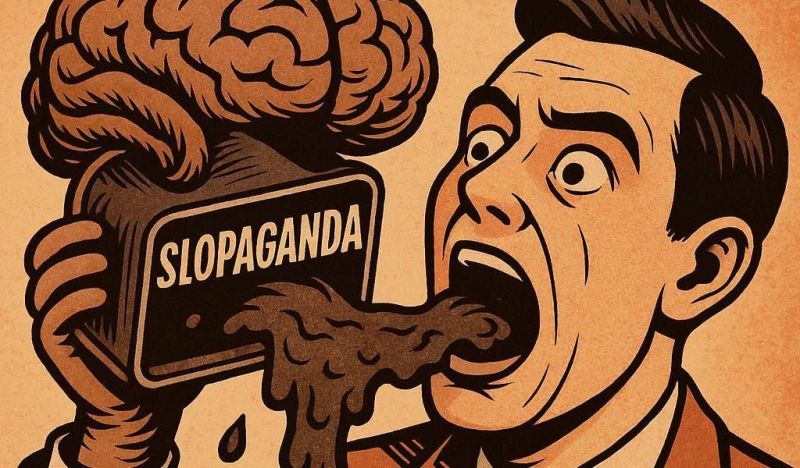
AI-generated “slopaganda” alerted social media platforms during US midterms
European Parliament chief warns AI cannot replace debate in lawmaking
European Parliament President Roberta Metsola cautioned lawmakers against relying too heavily on artificial intelligence (AI) in drafting legislation, as the institution prepares new rules following a rise in AI-generated amendments containing references to nonexistent laws.
Metsola said responsibility for every legislative decision rests with elected representatives, stressing that AI cannot replace human judgment or political debate. (By the way I have a story here about the EU and Turkey)
I read this story at Politico EU and she made the remarks at an event at the European Parliament discussing the use of AI in the institution’s work.
Her warning comes amid growing concerns over an increase in AI-generated legislative amendments, some of which cite laws that do not exist.
European Parliament Secretary-General Alessandro Chiocchetti highlighted an incident in which an MEP received incorrect legal advice from an AI tool. Parliament’s legal experts spent two days demonstrating that the information was false, the story noted.
Chiocchetti said new guidelines governing AI use would soon be presented to the Parliament’s leadership.
The proposed rules will focus on three principles: transparency about AI use, avoiding the submission of sensitive documents to publicly available AI tools, and verifying all AI-assisted work before publication.
Under current rules, MEPs are not required to disclose when they use AI to draft amendments, parliamentary questions or speeches. Parliament staff, however, have been required to label AI-assisted work under rules introduced in 2024, per the story.

Roberta Metsola, President of the European Parliament
AI-powered shopping threatens Amazon and Walmart’s ad businesses
The growing use of AI agents to research products and make purchases on behalf of consumers could disrupt the lucrative advertising businesses of retail giants Amazon and Walmart.
According to Emarketer estimates, Amazon and Walmart account for a combined 88% of the $74.4 billion U.S. retail media advertising market. However, AI agents capable of searching for and purchasing products on behalf of consumers could undermine the business model in which brands pay retailers to promote products on their websites and apps.
Morgan Stanley analysts forecast that AI agents could account for 10% to 20% of U.S. e-commerce spending by 2030.
I read this story at Reuters and Amazon CEO Andy Jassy said third-party AI agents have not yet had a meaningful impact on the company’s advertising business. However, Amazon’s advertising revenue grew 11% year over year in the third quarter, marking its slowest growth rate in nearly four years. Advertising accounts for about 10% of the company’s total net sales, the story noted.
Amazon blocked Meta’s Muse shopping agent from its website in September, alleging that the tool had accessed its online store without authorization and collected and stored customer login credentials. Meta declined to comment.
Walmart, meanwhile, introduced infrastructure on Oct. 21 to allow third-party AI agents to shop on behalf of customers.
Under the system, Walmart creates a profile for an AI agent linked to the shopper’s account when a customer uses the technology to browse products. Consumers can approve purchases or set spending limits for their agents.

AI-powered shopping threatens Amazon and Walmart’s ad businesses