This week’s stories are about tech, AI and sustainability, coming from the UK, the USA and the UAE
UAE: Data centers matter more than bridges
The United Arab Emirates (UAE) plans to revise its data center regulations and stop publicly promoting the locations of such facilities following attacks during the war, the country’s artificial intelligence (AI) minister said.
Omar Sultan Al Olama, the UAE’s minister of state for AI, digital economy and remote work applications, said data centers should now be treated as critical infrastructure because of their importance to modern life.
Speaking with Salesforce CEO Marc Benioff at the company’s Dreamforce event in San Francisco, Al Olama noted data centers had become more important than traditional infrastructure such as roads, bridges and tunnels because so much of people’s lives and information depends on digital devices.
Al Olama claimed the UAE faced more than 1,000 missiles and drones during the first week of the war. Citing The Next Web, the minister said the attacks had prompted the government to reconsider how information about data center locations is disclosed.
“We are not going to promote the locations of data centers for anyone who wants to have any idea to do something with them,” he added.
Al Olama, who has served as the UAE’s AI minister since 2017, informed governments do not necessarily need to deploy the most advanced AI systems to improve public services.
The UAE already uses large language models across many government services, he said, but relies on older systems rather than the latest frontier models.
He mentioned Abu Dhabi’s TAMM platform as an example. Through the service, residents can describe what they need to an AI agent, which can then handle the government process on their behalf from start to finish.
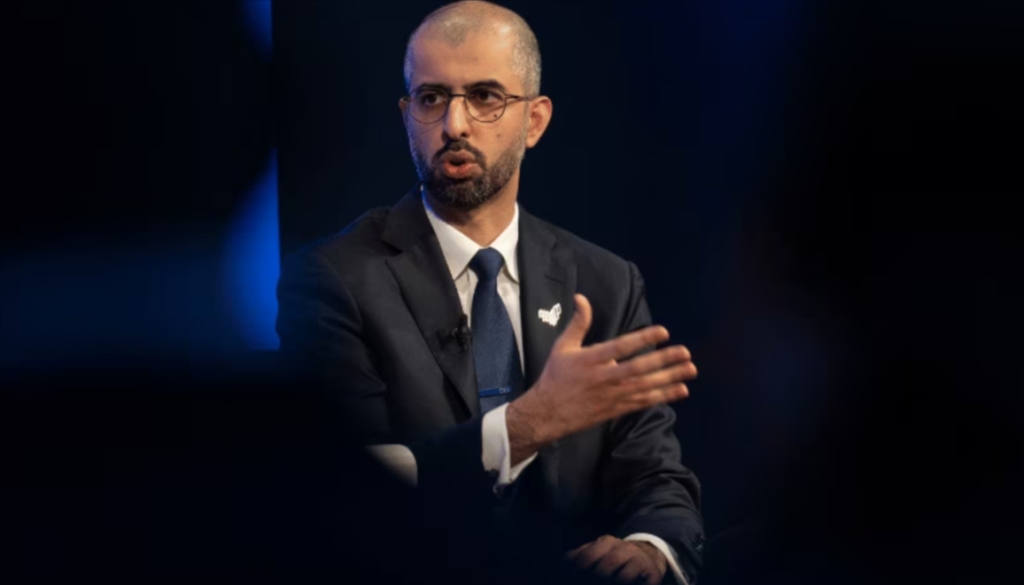
Omar Sultan Al Olama, the UAE’s Minister of State for AI, Digital Economy and Remote Work Applications
Americans’ concern about AI’s environmental impact on the rise
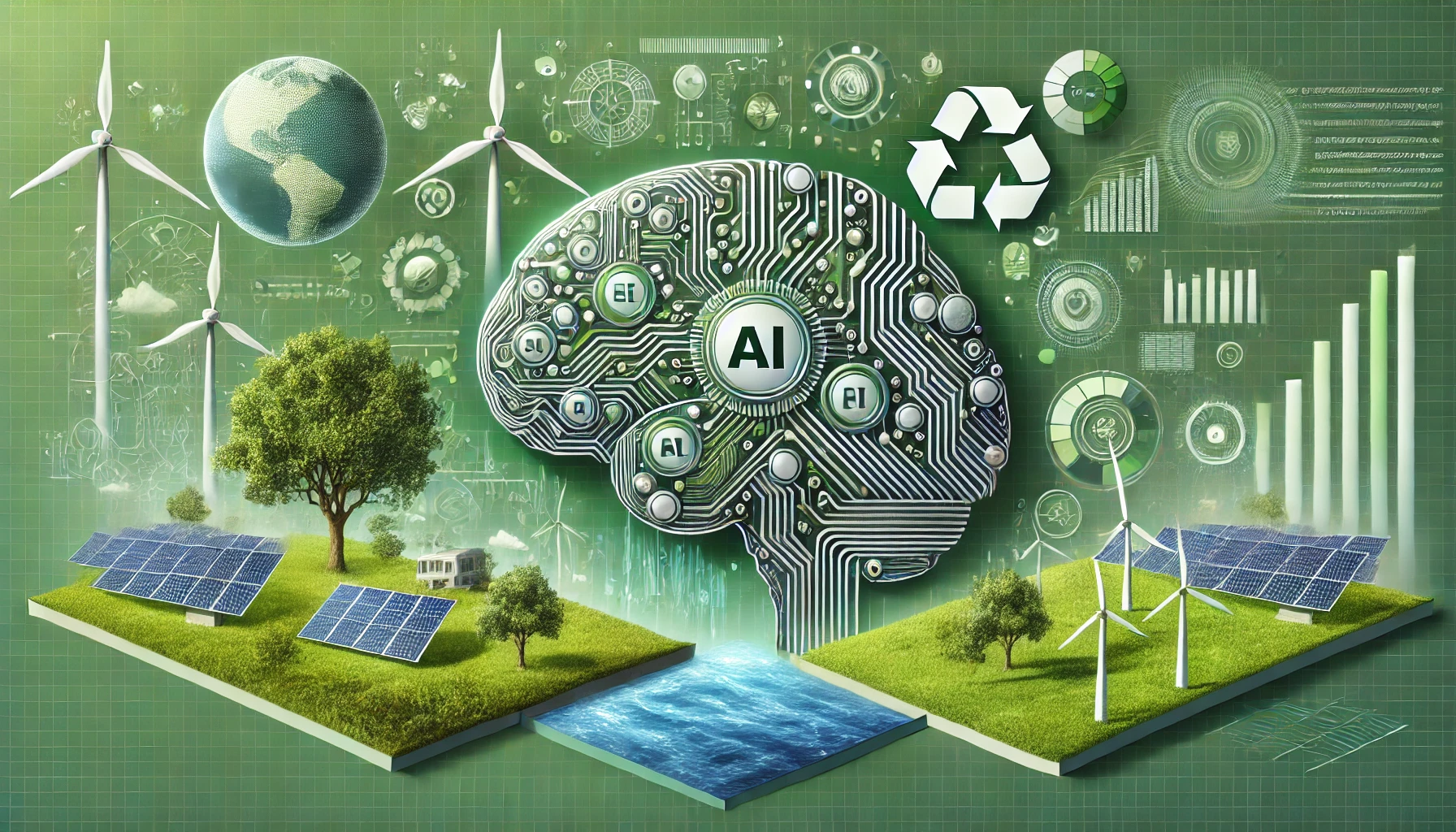
More than half of Americans are now highly concerned about the environmental impact of artificial intelligence (AI), with worries rising sharply over the past year as the technology drives demand for electricity, water and data centers.
I read this story at Axios and a new survey by The Associated Press-NORC Center for Public Affairs Research and the University of Chicago’s Energy Policy Institute found that 53% of U.S. adults are extremely or very concerned about AI’s environmental consequences. That compares with 41% in 2025.
The survey of 3,424 adults was conducted July 6-24, 2026.
The findings show that concerns extend beyond AI’s direct environmental footprint. About 8 in 10 Americans said they are at least somewhat concerned about the potential effects of data centers on electricity prices, power outages and water supplies.
Nearly half of Americans, 47%, said they believe AI will do more harm than good to the environment. That figure was 33% last year.
About 65% of Democrats said they were extremely or very concerned about AI’s environmental impact, compared with 42% of Republicans. Among Republicans, 26% said they were somewhat concerned, while 31% said they were not concerned at all.
The growing concerns come as the rapid expansion of AI requires increasingly large amounts of computing power and infrastructure, putting data centers at the center of debates over energy and water use.
Public anxiety about AI is not limited to environmental issues. Americans are also increasingly debating the technology’s potential long-term risks to society and humanity.
A significant share of those surveyed said there is at least a moderate risk that AI could eventually contribute to the destruction of humanity. The findings also show support among some Americans for AI developers slowing or temporarily pausing the race to develop increasingly powerful systems.
Americans’ concern about AI’s environmental impact on the rise
UK workers spend nearly £1 billion a year on generative AI
British workers are spending about £958 million ($1.3 billion) of their own money each year on generative artificial intelligence (AI) tools to help them do their jobs, according to a Deloitte study.
The findings highlight the growing use of generative AI in the workplace, with employees increasingly adopting the technology even as companies struggle to establish clear policies and training programs.
I read this story at Mobile World Live and Deloitte’s survey of 25,000 UK workers found that 63% use generative AI for work, while 17% personally pay for at least one AI tool. Nearly a quarter said they use the technology every day.
The study suggests employee adoption is moving faster than corporate policies. About one-third of respondents said they use AI without their employer’s knowledge, while 65% said their organization had not provided sufficient leadership on how the technology should be used.
Nearly half of generative AI users noted they had received no formal training on how to use the technology safely and effectively. (By the way I have a story here about the UK
Workers estimated that generative AI saves them an average of 70 minutes a week. But 23% believed AI use can be viewed negatively in the workplace, while 64% of weekly users said they worry their managers may believe the technology could perform their jobs.
AI use at work remains focused largely on routine tasks. Forty-three percent of respondents revealed they use generative AI to find information or draft emails, while 31% use it to create summaries.

UK workers spend nearly £1 billion a year on generative AI