This week’s stories are about tech, AI and sustainability, coming from Korea and the USA
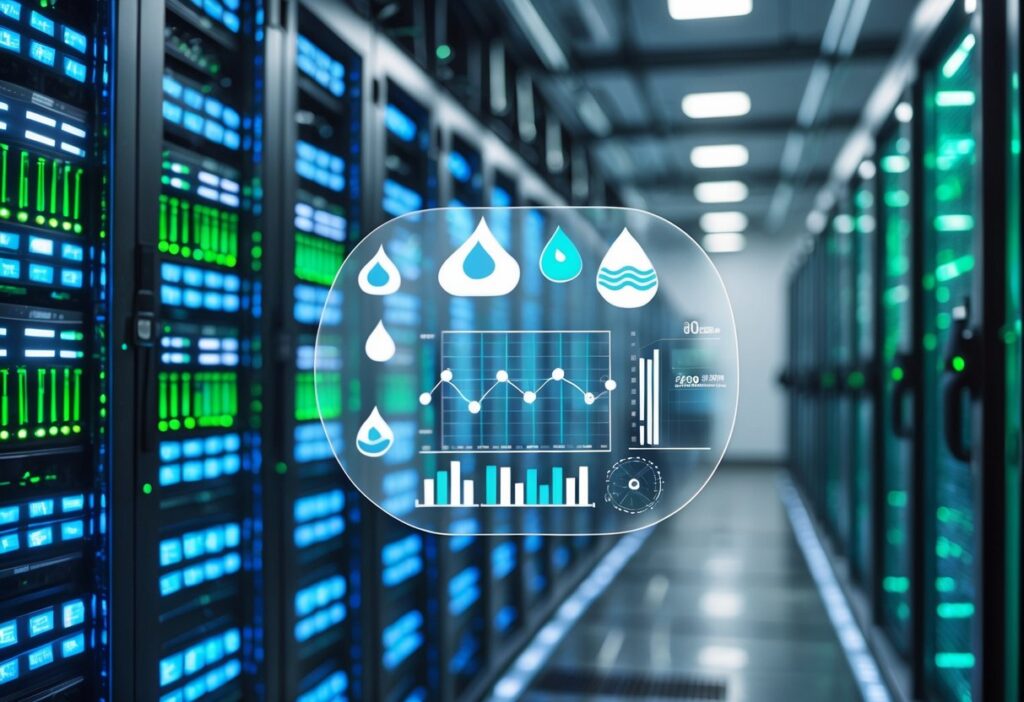
AI data centers raise concerns over water consumption
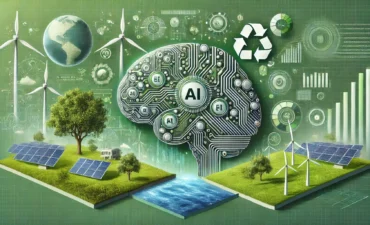
The rapid expansion of artificial intelligence (AI) is raising concerns about the amount of water used by data centers. Experts say data centers consume far less water overall than industries such as agriculture and some types of manufacturing, but their impact can be significant in drought-prone regions.
Data center cooling systems in the United States consumed an estimated 66 billion liters of water in 2023, accounting for less than 1% of the country’s total water consumption, according to Knowable Magazine. That figure is expected to rise as AI investments and data center capacity expand.
Researchers led by Fengqi You of Cornell University estimate that annual water consumption by U.S. data centers could reach between 731 billion and 1.125 trillion liters by 2030, per the story. The higher estimate is roughly equivalent to New York City’s annual drinking water supply.
Technology companies are turning to new cooling technologies to reduce water use. Amazon, Microsoft and Google are among the companies using liquid cooling systems that directly cool processors in closed-loop systems, the story noted.
Experts also say locating data centers in areas with abundant water and access to renewable energy, along with greater use of solar and wind power, could reduce their water footprint. Strategic siting and other measures could cut AI’s future water footprint by as much as 86%, according to the article.
Amazon Web Services aims to become water positive by 2030, while Google plans to replenish 120% of the freshwater consumed by its data centers by the same year through various water stewardship projects, the story claimed.
The story concludes that the future water footprint of AI will depend largely on where data centers are built, the energy sources that power them, local climate conditions and the cooling technologies they use.
Korea taps SK Telecom, Kakao and KT for free AI services
South Korea has selected SK Telecom, Kakao and KT to develop a nationwide artificial intelligence (AI) system that will provide the public with free, unlimited access to AI services.
I read this story at Korea Herald and the government-backed project aims to expand access to homegrown AI technology while strengthening South Korea’s domestic AI ecosystem.
The government will provide the three consortiums with a combined 512 Nvidia B200 graphics processing units this year. It also plans to subsidize the cost of nationwide services starting in 2027.
Beta testing is expected to begin in September, with full services scheduled to launch in December.
The initiative goes beyond conventional chatbots, with the government requiring AI agents capable of performing real-world tasks on behalf of users, the story said.
SK Telecom plans to develop an “action-oriented” AI system that can handle requests from planning through execution. Users will be able to access the service through mobile apps, the web, phone calls and text messages, per the story.
Kakao will use KakaoTalk as the main gateway to its service, combining a general-purpose chatbot with AI agents capable of handling tasks such as reservations, applications and payments.
The company also plans to develop a lighter voice-based AI service with LG Uplus and offer specialized AI agents through a marketplace.
KT plans to integrate its AI service with partner platforms including Daum, Danawa, Musinsa and Zigbang, as well as its telecommunications and IPTV services.
The company said its AI will allow users to move from searching for and comparing information to completing public or commercial transactions within a single conversation.
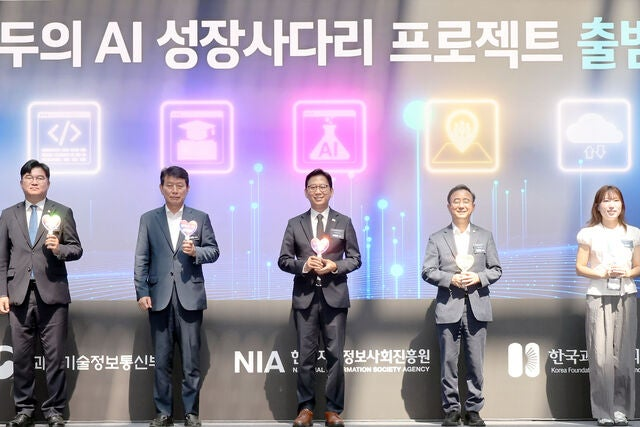
Korea taps SK Telecom, Kakao and KT for free AI services (Photo: Yonhap)
Humanoid robot demand could surge as operating costs fall below $10 an hour
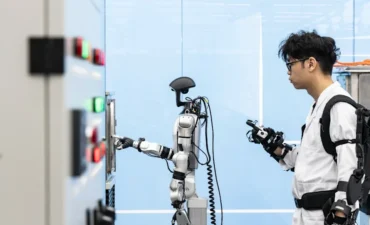
Humanoid robots could take on a significant share of unfilled jobs in U.S. manufacturing if their operating costs fall below $10 an hour, according to a new research note from investment bank JPMorgan.
I read this story at Quartz and JPMorgan estimates that humanoid robots could become increasingly attractive to manufacturers as automation costs decline. A robot operating for less than $10 an hour would cost substantially less than the roughly $30 hourly cost of a warehouse worker, according to the story.
The forecast comes as the humanoid robotics industry faces growing competition between the United States and China as well as new regulatory restrictions. (I have a story here about China and Türk Telekom)
The U.S. Federal Communications Commission has banned foreign-made humanoid and quadruped robots on national security grounds, a move expected to have a particularly significant impact on Chinese manufacturers.
China accounts for about 85% of the global humanoid robot market, according to technology research firm Omdia. Chinese companies Unitree and AGIBOT each shipped more than 5,000 humanoid robots in 2025, while U.S. companies Tesla and Figure AI shipped only a few hundred units each.
On the other hand Unitree, one of China’s leading humanoid robot manufacturers, went public on the Shanghai Stock Exchange last month. Its shares closed 460% above their IPO price on the first trading day, giving the company a market value of roughly $50 billion, Reuters reported.
Global sales of humanoid robots totaled about 15,000 units in 2025, according to CNN, citing Omdia.
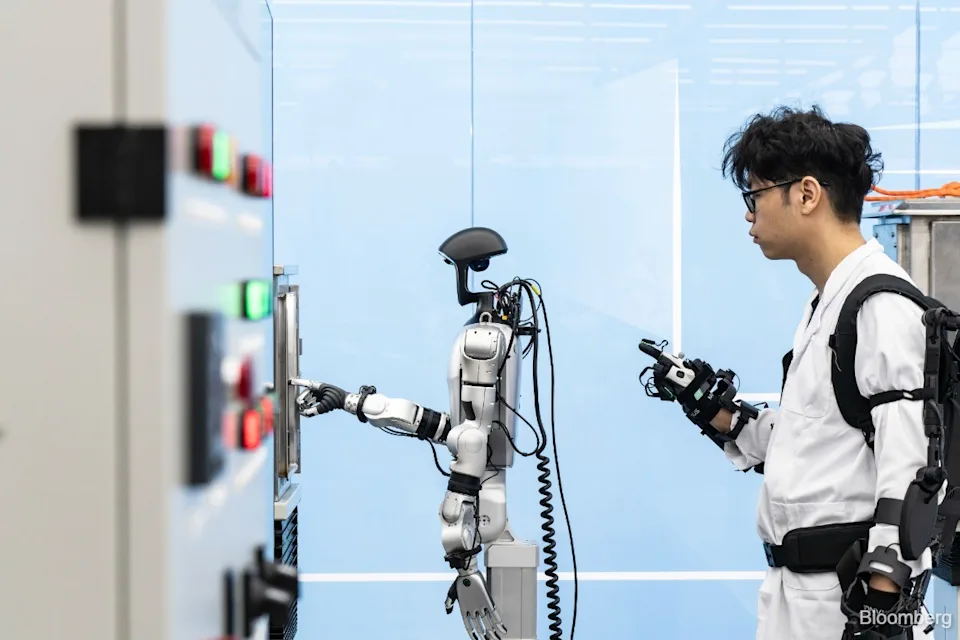
Humanoid robot demand could surge as operating costs fall below $10 an hour (Photo: Bloomberg)