This week’s stories are about tech, AI and sustainability, coming from the EU, Korea and the USA
Pope Leo warns AI could become a new form of economic colonialism
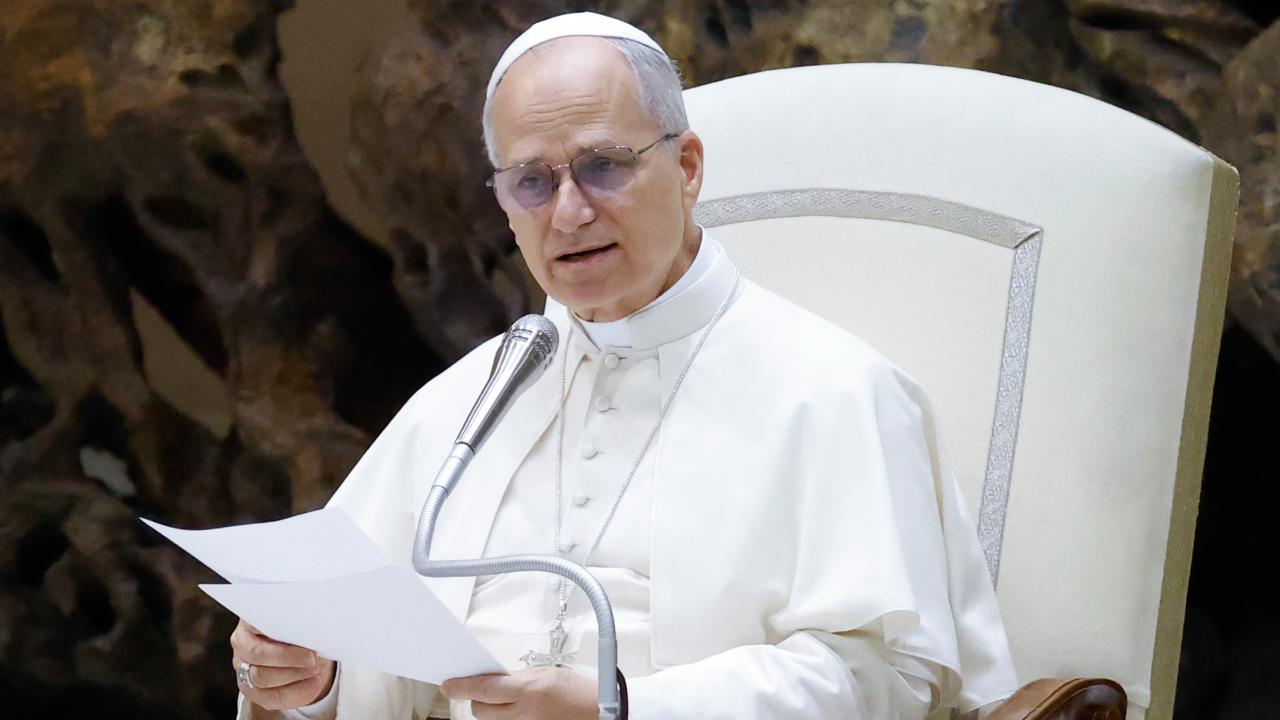
Pope Leo XIV warned that artificial intelligence (AI) could deepen technological dependence between wealthy and poorer countries, creating a new form of economic colonialism, and called on lawmakers to put people at the center of AI policy.
Speaking at the International Catholic Legislators Network’s annual conference in Rome, Leo urged lawmakers shaping AI regulations to prioritize human interests over technological development.
“The rapid development of artificial intelligence risks creating new forms of technological dependence, with poorer nations increasingly reliant on wealthier ones,” Leo said.
He warned that technological innovation must not become “another vehicle for ideological or economic colonialism” and called for greater vigilance as AI systems become more deeply integrated into economies and societies.
Leo also argued that social media algorithms already represent a form of domination. He said algorithms can determine who is visible and who remains unseen, while digital platforms can shape public debate without sufficient accountability, according to Business Insider.
He also criticized systems that subordinate workers’ dignity to the optimization of technology, describing the trend as a “subtle form of domination.”
The pope said the impact of AI extends beyond economic and technological concerns, warning that the technology could also affect society and weaken the role of the family.
Leo has increasingly made AI ethics a focus of his papacy, raising concerns about the technology’s effects on workers, democracy, the environment and social relationships, the story noted.

Pope Leo warns AI could become a new form of economic colonialism
South Korea plans fund to channel chip boom revenue into youth and AI
South Korea plans to use higher tax revenues generated by the semiconductor boom to create a new fund supporting younger people and investments in artificial intelligence and other strategic growth industries.
The Ministry of Finance said the proposed “Future Response Fund” would finance programs designed to help young people find jobs, buy homes and start families, while also directing investment toward artificial intelligence (AI), regional development and talent development.
The fund would be financed primarily through tax revenue above a benchmark based on the average growth in domestic tax receipts over the past decade, according to the ministry.
The government plans to save excess tax revenue during periods of strong economic performance and use the funds to help support the economy when tax revenues weaken.
The government has not provided an official estimate for the fund’s total size. South Korean media have reported that it could exceed 100 trillion won, or about $72.3 billion, based on government projections for next year’s tax revenue and expected inflows from other sources.
Programs targeting young people would focus on employment, housing, asset building, marriage and childbirth, according to Reuters. Investments in growth industries would prioritize AI and other strategic technologies.
South Korea has been seeking to expand opportunities for younger generations as it faces a low birth rate, housing affordability concerns and labor-market challenges.
The government plans to submit legislation establishing the fund to parliament next month alongside its proposal for the 2027 budget, the story said.

South Korea plans fund to channel chip boom revenue into youth and AI
Europe’s AI data centers shift to rural hubs amid power shortages
European artificial intelligence (AI) data center developers are shifting new projects away from major urban hubs in pursuit of cheaper land, abundant power, and faster grid connections, according to industry data released by real estate firm JLL.
Hyperscale facilities scheduled to open between 2026 and 2028 will sit an average of 175 kilometers from major metropolitan centers. That marks a significant expansion from the 46-kilometer average distance recorded for projects completed between 2022 and 2025, per the story.
The geographical migration stems from severe power grid bottlenecks and space constraints in established tech hubs like London, Frankfurt, and Amsterdam. Because training complex AI models demands far more electricity and land than traditional cloud infrastructure, developers are prioritizing immediate power access over proximity to end-user demand, the story said. (By the way I have a story here about the EU and Turkey)
Underlining the trend, greenfield developments built from scratch now represent 39% of Europe’s future data center pipeline, while inner-city developments are projected to drop to 5% from a previous 13%.
Financial incentives are heavily accelerating the transition. Powered land in prime European markets costs an average of 2.36 million Euros per megawatt of IT capacity. In secondary markets such as Copenhagen, Warsaw, and Milan, prices drop to 978,000 Euros per megawatt, while tertiary markets like Bordeaux average 512,000 Euros, with some sites priced as low as 200,000 Euros, the story noted.
Amsterdam remains Europe’s most expensive market for data center development at 2.7 million Euros per megawatt, followed by London at 2.6 million Euros and Frankfurt at 2.5 million Euros.

Europe’s AI data centers shift to rural hubs amid power shortages (Image: Getty)