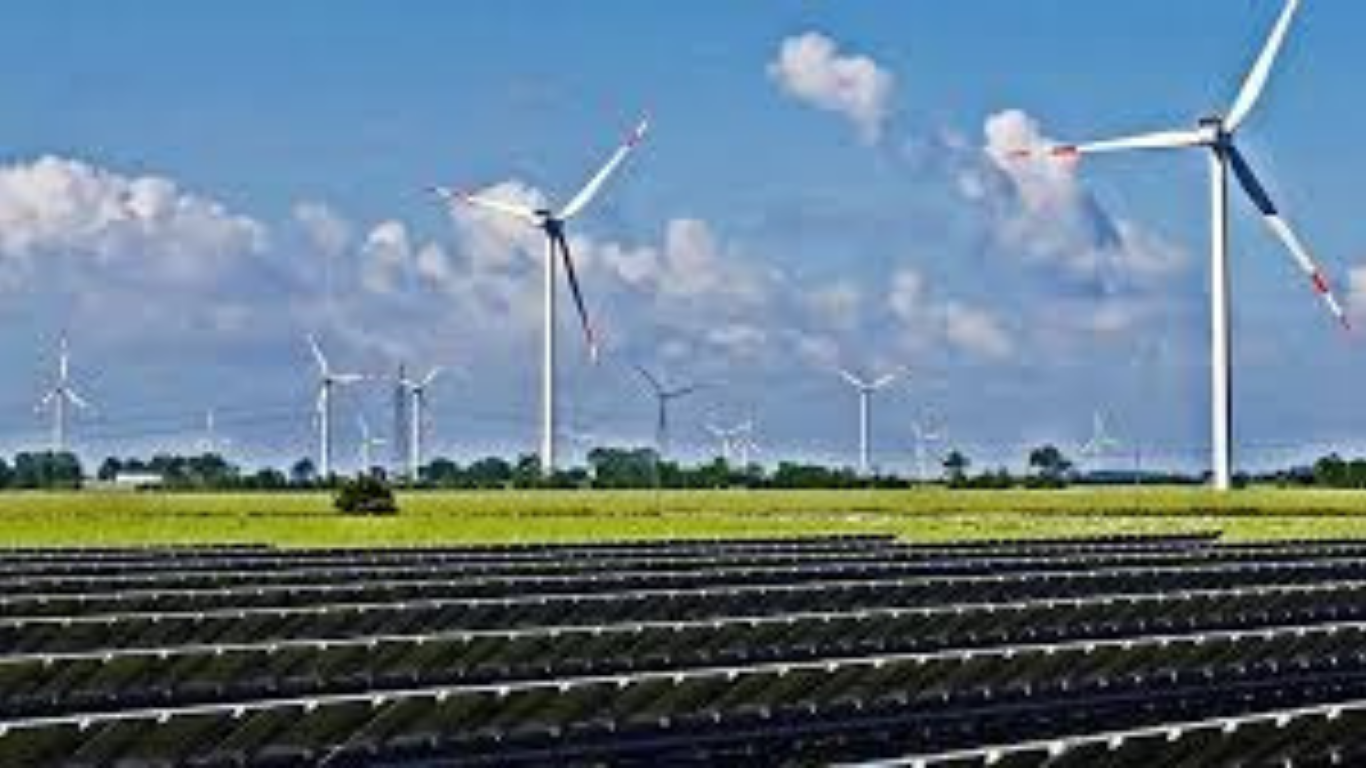
Combined wind and solar additions reached a record 6.5 GW in 2025, pushing their share of electricity generation to 22% for the first time
Wind and solar power in Türkiye accounted for more than a fifth of electricity generation for the first time in 2025, according to a report Ember, The London-based think-tank.
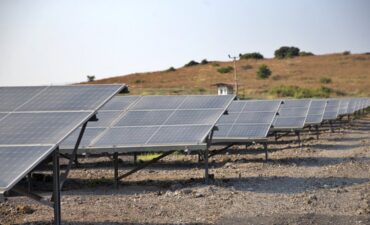
The report found that Türkiye installed a record 1.9 gigawatts (GW) of wind capacity last year, surpassing its previous high of 1.8 GW in 2021, while solar power also continued to expand rapidly. Ember noted 2023 marked a turning point for solar energy, with annual installations jumping to a record 4.8 GW from a previous peak of 2.3 GW. Growth has remained steady since, with about 4.5 GW added in each of the past two years.
Combined wind and solar additions reached a record 6.5 GW in 2025, pushing their share of electricity generation to 22% for the first time, the report revealed. That milestone made Türkiye the only country among 16 in the Middle East, Caucasus and Central Asia to exceed the 20% threshold.
I noticed that as wind and solar output increased, the share of natural gas in electricity generation fell to 22% in 2025. Coal, however, remained the largest source, accounting for 34% of generation.
No new coal-fired power plants have been commissioned since 2022, slowing growth in coal generation, the report said. However, planned purchase guarantees for domestic coal plants could lead to a rebound, per the report.
Türkiye also leads Europe in battery project development
The report also highlighted the impact of drought on hydropower. Average output at the country’s three— Atatürk, Karakaya and Keban — declined by 29% over the past decade compared with 1996–2005 levels. Lost hydroelectric generation has been largely offset by natural gas, adding an average $1.8 billion annually to Türkiye’s gas import bill, with higher costs possible during periods of elevated energy prices.
Ember said diversifying hydropower with sources such as solar is critical for both economic and energy security. Türkiye also leads Europe in battery project development, according to the publication. Since introducing storage requirements for new wind and solar plants in 2022, the country has built a battery project pipeline totaling 33 GW, exceeding that of any European Union member state.
By comparison, EU countries with the largest combined operational and planned battery capacity have around 12–13 GW, less than half of Türkiye’s total, the story noted. Türkiye’s battery pipeline is equivalent to about 83% of its current installed wind and solar capacity of 40 GW, the report said.
Ufuk Alparslan, Ember’s Regional Lead for Türkiye and the Caucasus, said wind and solar generation increased significantly in recent years but noted that overall renewable energy shares — including hydro and geothermal — still lag behind Europe.
He added that Türkiye remains the leading country in wind and solar across the Middle East, Central Asia and the Caucasus, and that recent global fossil fuel crises have underscored the need for a transition to clean energy. Alparslan said Türkiye, which is set to host the COP31 climate summit, has an opportunity to take a leading role in the region’s energy transition.