
This week’s stories are tech, AI and sustainability, coming from China, the EU and the UK
UK plans fast-track visas for AI experts
Britain plans to fast-track visas and reimburse application fees for overseas artificial intelligence (AI) specialists as part of a broader push to make the country a global center for the technology, the government’s AI minister said.
Speaking at the London AI Hub, AI minister Kanishka Narayan announced a new, dedicated immigration route for AI professionals would operate alongside expanded training programs for British workers and increased support for domestic startups.
I saw this story at CityAM and the announcement follows measures outlined last month in Davos by Rachel Reeves, including faster sponsor licenses for selected companies growing their operations in Britain and added backing from a global talent task force.
The visa initiative comes as employers face growing pressure to fill specialized tech roles despite a broader slowdown in hiring. New figures from the British Chambers of Commerce show 71% of UK firms have invested in AI tools this year, while 40% of small businesses say they lack the skills to manage and deploy the technology. (By the way I have a story here about UK and Google’s activities in Turkiye)
He pointed to strong investment momentum, noting that UK startups raised about $24 billion in venture capital last year, with AI companies accounting for roughly a third of that total, according to the story. The government also secured tens of billions of pounds in AI infrastructure and research funding and plans to launch a sovereign AI unit backed by £500 million to support high-potential firms.
Under existing immigration rules, AI professionals can apply through several visa programs, but businesses have long complained about high costs and bureaucratic hurdles. The new reimbursement plan for selected experts is intended to ease that burden as net migration continues to decline.

UK plans fast-track visas for AI experts
China readies using AI to detect corruption in public tenders
China is turning to artificial intelligence (AI) to help detect corruption in public bidding tendering, rolling out new tools aimed at spotting irregularities and uncovering collusion as President Xi Jinping continues a sweeping, yearslong anti-graft campaign.
I read this story at Reuters and guidelines released by the National Development and Reform Commission and seven other government bodies call for AI-powered systems to review bidding documents, monitor the decisions of evaluation committees and use advanced reasoning to generate risk alerts and recommendations.
The agencies said the technology should be able to “dig for clues” pointing to suspected bid-rigging and provide leads for authorities enforcing disciplinary and legal action.
The move follows Xi’s call last year to strengthen China’s anti-corruption toolkit, including wider use of big data, during a meeting of the Central Commission for Discipline Inspection, the country’s main graft watchdog, the story noted.
Officials say early results are already emerging. In eastern China’s Zhejiang province, an anti-corruption agency detained a state-owned asset administrator after an AI system flagged unusual patterns across several public construction tenders, according to a recent documentary aired by state broadcaster China Central Television.
The administrator, Feng Jiang, was accused of accepting hundreds of thousands of yuan in bribes from companies seeking contracts and acting as a middleman to influence members of bidding review panels. Chinese media reported Feng was sentenced to two and a half years in prison in November.
Authorities say broader adoption of AI in procurement oversight is intended to increase transparency, curb abuse of power and strengthen enforcement as China seeks to modernize governance while sustaining its high-profile corruption crackdown.
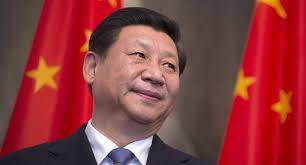
Xi Jinping, President of China
EU forbids destruction of unsold clothing and footwear
The European Union (EU) is moving to outlaw the destruction of unsold clothing and footwear, adopting new circular economy rules aimed at cutting millions of tons of textile waste and forcing fashion companies to publicly account for excess inventory.
I saw this story at ESG News and under measures approved by the European Commission, large companies will be barred from destroying unsold apparel, accessories and shoes starting in July 2026. Medium-sized firms will face the same requirement by 2030.
Beginning in 2027, companies will also be required to disclose how much unsold stock they discard, using a standardized reporting format designed to strengthen environmental, social and governance transparency across supply chains, according to the story.
EU officials say the fashion industry routinely destroys between 4% and 9% of unsold textiles each year, contributing an estimated 5.6 million tons of carbon dioxide emissions — roughly equivalent to the net emissions of Sweden in 2021, per the story.
Industry analysts emphasize the ban could accelerate investment in resale platforms, recycling technologies and improved inventory management, as companies adjust to tighter oversight.
The initiative places textiles at the center of the EU’s broader effort to reshape how products are designed, used and recovered, with ripple effects expected across global fashion supply chains that sell into European markets.
For brands operating in the bloc, officials made clear that waste reduction is no longer voluntary — but a core regulatory requirement tied to future competitiveness.

EU forbids destruction of unsold clothing and footwear