This week’s stories are about tech, AI and sustainability, coming from the EU and the USA
Europe launches €30B AI data center investment program
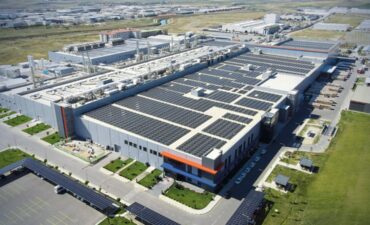
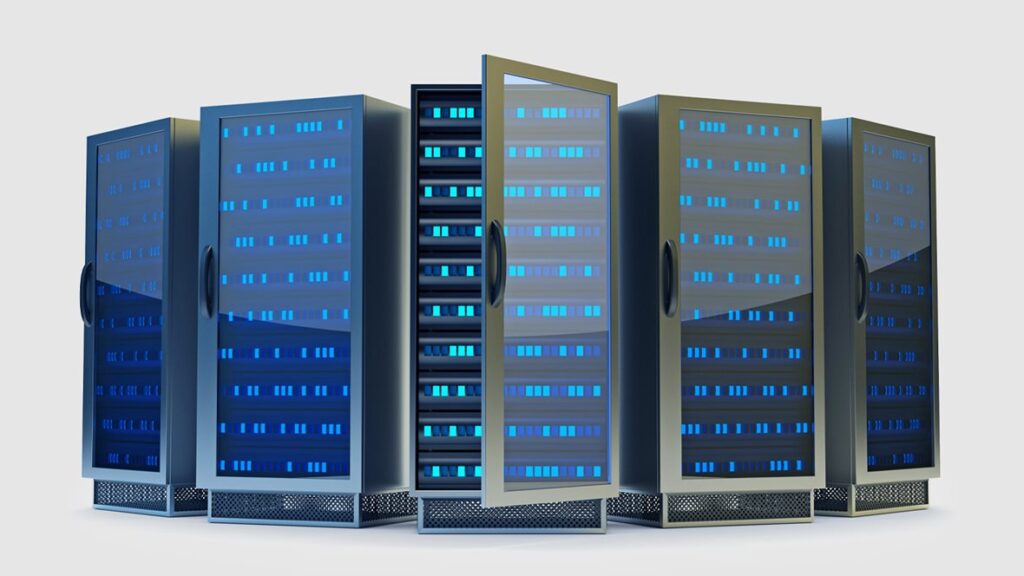
The European Union officially launched a funding initiative to support the construction of seven large-scale artificial intelligence (AI) data centers across Europe, with total public and private investment expected to reach €30 billion.
The program calls for four mid-sized AI computing facilities equipped with 25,000 to 75,000 AI chips and three larger centers powered by 40,000 to 100,000 chips, according to Politico Europe. The facilities are intended to provide the computing capacity needed to train advanced AI models and strengthen Europe’s competitiveness in AI.
The European Commission is expected to select the winning consortium bids early next year, with successful applicants required to complete construction within 18 months. Mid-sized projects will be eligible for up to €1 billion in public funding, while larger facilities could receive as much as €2 billion.
The Commission said the initiative will be financed through one of the largest public-private partnerships undertaken by the EU. It has already allocated €1 billion for the program and plans to seek an additional €4 billion under the bloc’s next long-term budget. However, officials noted that the additional funding has not yet been finalized as budget negotiations continue.
Under the funding framework, public support will be capped at 35% of each project’s total investment. Combined with private-sector financing, the overall value of the initiative is expected to reach approximately €30 billion, the story noted.
Germany, Greece, Portugal, Italy and Spain are backing bids to host the three largest AI data centers, while Czechia, Denmark, Finland, France and Poland are competing to host the smaller facilities, per the story.
Europe launches €30B AI data center investment program
Amazon seeks approval for 5,000-plus satellite network to expand mobile connectivity
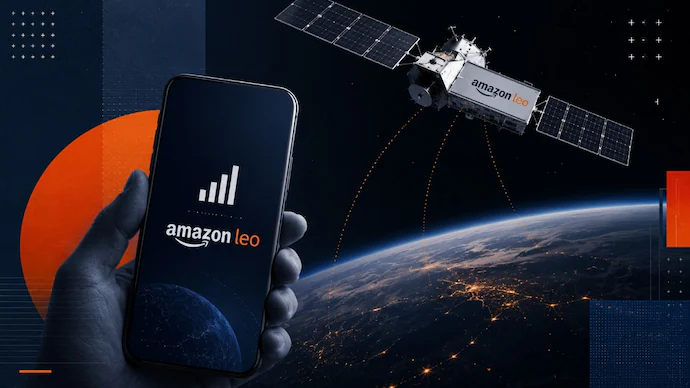
Amazon applied to U.S. regulators for approval to deploy a constellation of more than 5,000 low Earth orbit (LEO) satellites as part of a new space-based telecommunications network aimed at delivering mobile connectivity to underserved regions.
The company’s satellite communications subsidiary, Amazon Leo, said it has submitted an application to the U.S. Federal Communications Commission (FCC) to launch a direct-to-device service using more than 5,100 LEO satellites capable of providing voice, messaging and emergency communications directly to mobile devices.
Amazon said the planned network is designed to extend high-speed, low-latency broadband services to billions of people living beyond the reach of existing communications infrastructure, while also serving enterprise customers and government agencies. (By the way I have a story here about AWS’s project in Turkey)
If the proposal receives regulatory approval, the company expects the network to begin operations in early 2028. According to CBS News, the FCC has not yet commented on Amazon Leo’s application.
The initiative follows Amazon’s $11.6 billion acquisition of mobile satellite services provider Globalstar in April. Since completing the deal, Amazon Leo has announced partnerships with telecommunications operators including DirecTV, HeroTel and Vodafone, the story emphasized.
According to the company, the satellite network will support not only consumer communications but also disaster response, global fleet management, remote industrial operations, supply chain connectivity, Internet of Things (IoT) applications and emergency messaging in areas where terrestrial communications networks are unavailable.
Amazon seeks approval for 5,000-plus satellite network to expand mobile connectivity
Meta exits RE100 after expanding natural gas investments for AI data centers
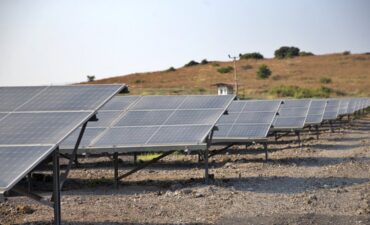
Meta withdrawn from the global RE100 renewable energy initiative after increasing its investments in natural gas to meet the growing electricity demands of its artificial intelligence data centers.
Climate Group, which oversees the RE100 program, confirmed that the Facebook and Instagram parent company no longer meets the initiative’s technical membership requirements because of its investments in new gas-fired power generation.
In March, Meta signed an agreement with U.S. utility Entergy to develop seven natural gas power plants in Louisiana with more than 5 gigawatts of generating capacity to supply what is expected to be the company’s largest data center to date.
RE100 is a global initiative that brings together companies committed to sourcing 100% of the electricity used in their operations from renewable energy. More than 400 companies, including Apple, Google, Nike, Sony, Samsung, Unilever, HSBC and Intel, are members of the program, according to the story at Rechargenews.com
Meta joined RE100 as Facebook in 2016 and has said its global operations have been matched with 100% renewable electricity since 2021. Energy analysts, however, note that the company’s claim has largely relied on renewable energy certificates and long-term power purchase agreements rather than the direct consumption of renewable electricity from the grid.
The move also comes as other major technology companies increasingly turn to conventional power sources to support expanding AI infrastructure. Google and Microsoft have both been linked to natural gas projects for their data centers, while Microsoft last month reached an agreement with Chevron to develop a gas-fired power facility alongside one of its Texas data centers, the story said.
Meta exits RE100 after expanding natural gas investments for AI data centers