This week’s stories are about tech, startup and sustainability stories of the week, coming from the EU and the USA
Palantir signs $300M USDA deal to bolster food supply oversight
Palantir signed a $300 million agreement with the US Department of Agriculture (USDA) to deploy its software for farmland management.
I saw this story at Cnbc and the deal expands existing collaboration between the company and the USDA, highlighting Palantir’s growing presence across US government agencies beyond its traditional defense-focused business tied to military modernization.
The move comes as American farmers face mounting cost pressures linked to global conflicts and trade disputes, according to the story. An ongoing trade war with key partners, including China — a major buyer of U.S. soybeans — strained agricultural markets, while rising fuel prices tied to tensions in Iran have increased fertilizer and transportation costs, forcing some farmers to reconsider crop production, the story noted.
In response to earlier trade disruptions, President Trump announced a $12 billion aid package in December to support affected farmers. However, supply chain challenges have persisted, raising concerns about long-term food security.
Scrutiny has also intensified over foreign ownership of US farmland, particularly by China. A recent report from the Foundation for Defense of Democracies urged tighter enforcement of disclosure rules under the Agricultural Foreign Investment Disclosure Act to prevent potential strategic risks.
The USDA’s agreement with Palantir reflects an effort to address such concerns using advanced data and analytics tools, per the story.
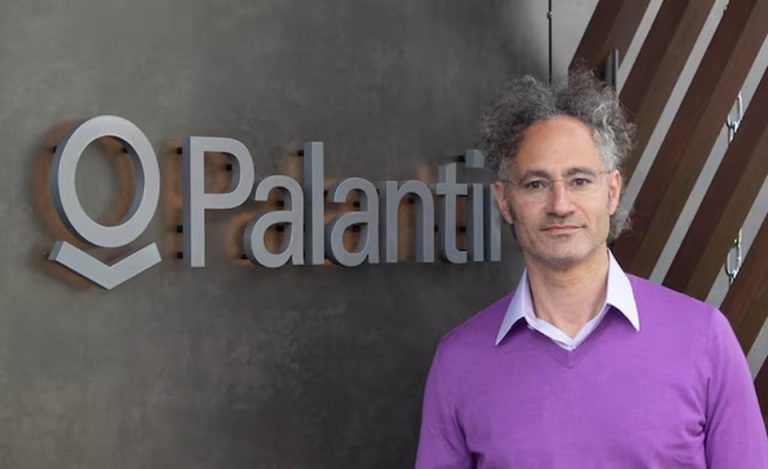
Alex Karp, CEO at Palantir
How does Apple prevent pre-release leaks?
Apple uses extensive security measures to prevent marketing materials and product designs from leaking ahead of official launches.
I read this story at Apple Insider and box art and promotional assets for unreleased iPhones and iPads rarely become public before announcements, due to strict protocols governing employees, contractors and workspaces handling sensitive information. (By the way I have a story here about Apple and it increased prices in Türkiye)
According to people familiar with the process, offices containing confidential design data are secured using alarm systems, keycards, cipher locks or standard locks. Access codes are changed regularly to prevent former employees from re-entering restricted areas, per the story.
Inside secure areas, employees must ensure no confidential information is left visible on desks, whiteboards or in meeting rooms. Project discussions are held in locked spaces, and digital files containing design data must be password-protected and encrypted, according to the story. When files are shared with approved partners, they are uploaded to secure Apple servers and protected with encryption.
Physical documents are stored in locked cabinets or containers when not in use, and printing areas are typically monitored by security personnel. Employees must collect sensitive printouts immediately and destroy unnecessary documents.
Security measures also extend to personnel. Employees working on unreleased products are required to sign non-disclosure agreements and follow strict communication rules, including sharing information strictly on a need-to-know basis. Workers are discouraged from revealing their involvement in Apple projects and must use approved codenames instead of product names, the story noted.
Sensitive information is not to be shared via email attachments, and passwords for protected files are often communicated separately, typically by phone.
Apple uses extensive security measures to prevent marketing materials ahead of official launches
EU unveils plan to boost electrification and cut reliance on fossil fuels
The European Commission (EC) introduced a new strategy aimed at accelerating the bloc’s shift away from fossil fuels, including plans to set an “ambitious” electrification target across key sectors.
The initiative, known as “AccelerateEU,” outlines a series of measures designed to address rising energy costs and reduce dependence on imported fuels, particularly in light of ongoing geopolitical tensions affecting global energy supplies.
I saw this story at ESG Today and as part of the strategy, the EC said it will present a dedicated Electrification Action Plan targeting the industrial, transport and building sectors, while also working to remove barriers to wider electrification.
The plan is intended to provide short-term relief to households and businesses facing higher energy costs linked to disruptions stemming from conflict in the Middle East. The EC said the EU has spent an additional €24 billion on energy imports.
In the near term, the EC proposed temporary measures to shield consumers and industry from price spikes, including targeted income support, energy vouchers, social leasing programs and reduced electricity taxes for vulnerable households.
Longer-term actions focus on structural changes, including investment in electricity grids and advancing the European Grids Package proposed in late 2025 to improve cross-border energy infrastructure planning.
The EC also plans to encourage private investment in the energy transition, including hosting a Clean Energy Investment Summit to bring together financial institutions, industry leaders and public sector stakeholders to support projects such as battery storage, charging infrastructure and electrification technologies.
EC President Ursula von der Leyen said accelerating the transition to domestically produced clean energy would strengthen the bloc’s energy security and resilience in the face of geopolitical challenges.
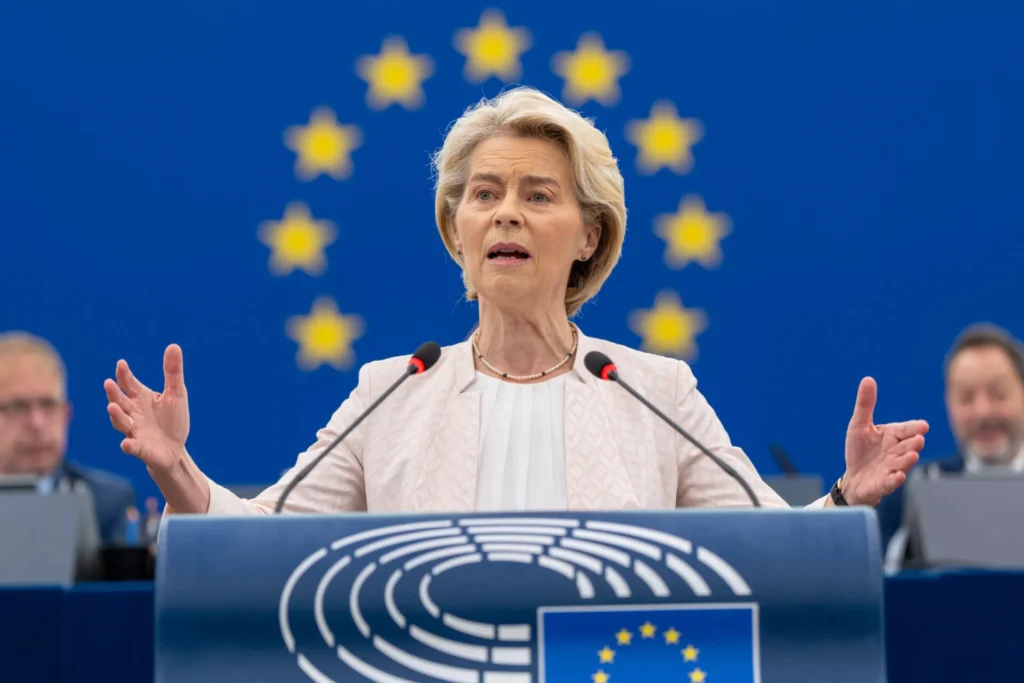
Ursula von der Leyen, President of European Commission