This week’s stories are about tech, AI and sustainability, coming from the EU, Korea, Taiwan and the USA
Nvidia becomes TSMC’s largest customer, overtaking Apple
Nvidia surpassed Apple as Taiwan Semiconductor Manufacturing Co.’s (TSMC) largest customer, reflecting surging demand for advanced chips used in artificial intelligence (AI).
I read this story at Taiwan News and Nvidia accounted for 13% of TSMC’s revenue in the fourth quarter of 2025, up from earlier periods, while Apple’s share slipped to 11%. Apple had long been TSMC’s biggest client, relying on the foundry for chips used in iPhones and other devices, the story noted.
TSMC said revenue tied to AI-related products now makes up more than half of its total sales, driven largely by orders from Nvidia and major cloud computing companies.
The shift highlights a broader industry move toward AI hardware, as spending on data centers and specialized processors outpaces demand for consumer electronics. Analysts say accelerating investment in AI infrastructure is reshaping semiconductor supply chains.
TSMC, the world’s largest contract chipmaker, reported record quarterly revenue of 801 billion New Taiwan dollars ($25.4 billion), beating market expectations
Industry observers expect Nvidia’s share of TSMC’s business to grow further as the foundry expands production of advanced 3-nanometer and upcoming 2-nanometer chips designed for next-generation AI systems.

Nvidia becomes TSMC’s largest customer, overtaking Apple
Korea to spend $1.7 billion to expand the use of AI across public sectors
Korean government plans to spend up to 2.4 trillion won ($1.67 billion) this year to expand the use of artificial intelligence (AI) across public industries including defense, agriculture and other government services.
I read this story at Korea Times and the funding plan was announced at a meeting of science-related ministers chaired by Science Minister Bae Kyung-hoon and will be allocated to 33 government agencies, according to the Ministry of Science and ICT. The amount represents a fivefold increase from last year’s spending on AI initiatives, the story noted.
The government said it will establish a cross-ministerial collaboration framework to accelerate adoption of AI technologies, including providing agencies with graphics processing units, AI models, data resources and consulting programs.
Bae emphasized the AI industry is rapidly moving beyond digital applications into areas such as robotics, manufacturing and logistics.
He added that the government will strengthen cooperation among ministries to develop medium- and long-term investment strategies and deliver tangible results from research and development projects.
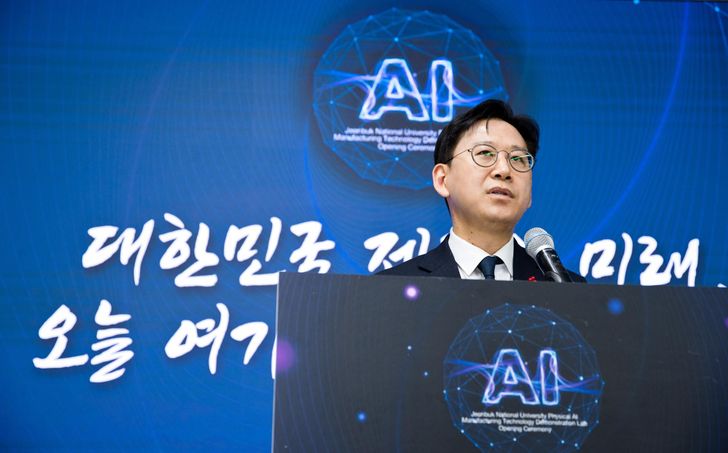
Korea to spend $1.7 billion to expand the use of AI across public sectors (Photo: Korean Ministry of Science and ICT)
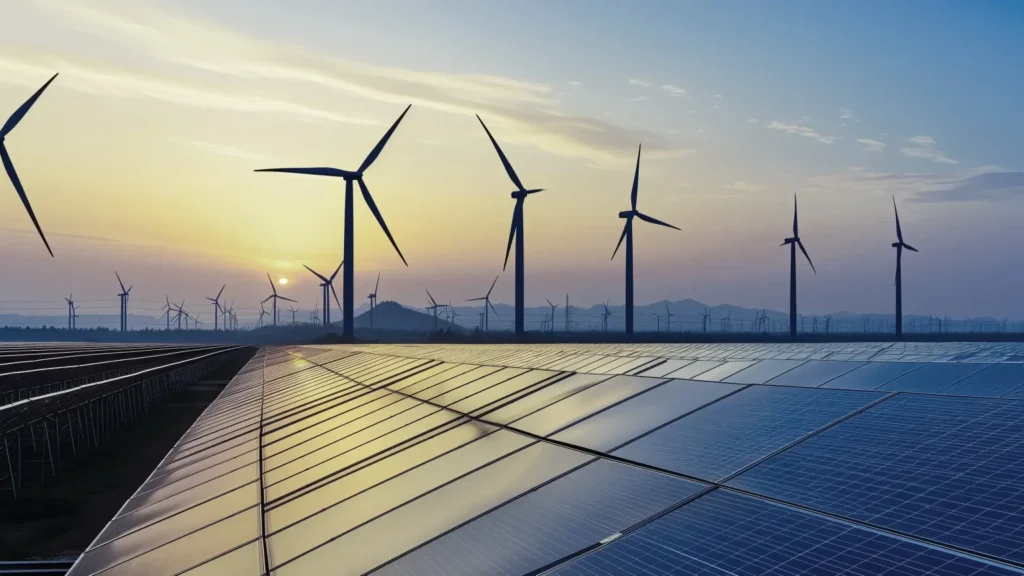
Wind and solar surpass fossil fuels in EU power mix in 2025
Wind and solar power generated more electricity than fossil fuels in the European Union (EU) in 2025 for the first time on record, driven by rapid growth in solar installations across the bloc.
According to a report released by energy think tank Ember, the data showed wind and solar together accounted for 30% of EU electricity generation last year, while fossil fuels fell to 29%. Solar power alone supplied 13% of the bloc’s electricity after expanding more than 20% for a fourth straight year, while wind contributed 17%.
Ember announced renewables overall provided 48% of the EU’s power mix in 2025, as coal use continued to decline and investment in clean energy accelerated.
The findings came despite challenging weather conditions that reduced output from wind and hydropower. Ember said low rainfall pushed hydroelectric generation down 12% from the previous year, while weaker winds cut wind power by 2%. Solar production, however, rose in every EU member state.
Several countries, including Hungary, Cyprus, Greece, Spain and the Netherlands, generated more than 20% of their electricity from solar power alone, the report revealed.(By the way I have a story here about Turkiye’s energy consumption)
Coal’s share of EU electricity fell to a record low of 9.2%, continuing a long-term decline driven by climate policies and plant closures. Ember said coal-fired power was now in “terminal decline” across the region.
Gas generation increased 8% in 2025 as utilities compensated for reduced hydro output, pushing gas import costs for electricity production up 16% to 32 billion euros.
Ember said higher gas use contributed to increased power prices, with electricity during gas-heavy periods costing about 11% more than in 2024.
The think tank noted that 14 EU countries produced more electricity from wind and solar than from all fossil fuels combined, reflecting structural shifts in the region’s energy system.
Wind and solar surpass fossil fuels in EU power mix in 2025