This week’s stories are about tech, AI, startup and sustainability, coming from Korea, Norway and Saudi Arabia
South Korea’s revised AI Basic Act to enter into force
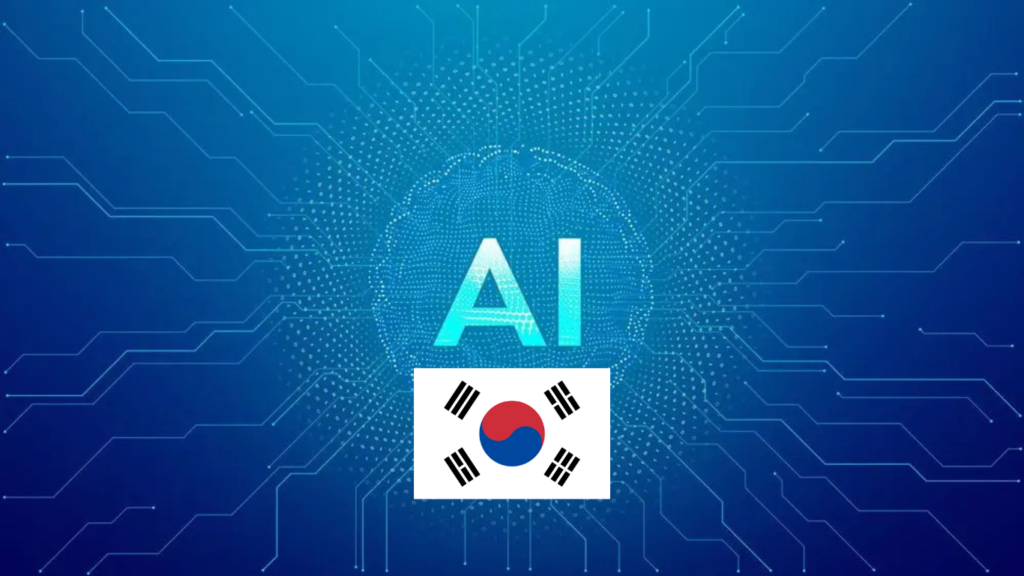
South Korea’s revised AI Basic Act is set to take effect Jan. 22, marking a major shift in how the country regulates and promotes artificial intelligence as the technology advances rapidly.
I saw this story at Korea Times and the amended Framework Act on the Development of Artificial Intelligence and the Creation of a Foundation for Trust strengthens oversight of AI-generated content and high-impact systems while expanding support for research, startups and public-sector adoption. Officials say the law aims to balance tighter risk controls with policies to foster innovation and broader access to AI, according to the story. (By the way I have a story here about Korea, OpenAI opens office in Korea)
One of the most immediate changes requires mandatory disclosure of AI-generated content. AI service providers — defined as companies that develop or use AI for commercial purposes — must notify users through labels or technical tools such as digital watermarks.
The law also introduces a formal definition of “high-impact” AI systems, referring to models trained using extremely large computing power, the story noted. Such systems will be evaluated based on their intended use, potential risks to fundamental rights and the severity of those risks. Operators will be subject to stricter safety requirements, ongoing monitoring of social impacts and closer government supervision, per the story.
Despite the phased approach, concerns remain. Industry groups warn that vague definitions of high-impact AI and compliance obligations could create uncertainty and weigh heavily on startups.
Critics have also questioned whether the framework places too much emphasis on industrial promotion while leaving protections for individuals insufficiently defined. With implementing rules still under revision, businesses and civil society groups say uncertainty remains over how the law will be enforced in practice.
South Korea’s revised AI Basic Act to enter into force
Saudi Arabia introduces AI-focused fund
Saudi Arabia launched a new venture fund focused on artificial intelligence (AI), aiming to support emerging startups and strengthen the Kingdom’s position in the global technology sector.
Red Sea Global said it has partnered with Bunat Ventures to establish the AI-focused fund, which will invest in early- and growth-stage companies that are built on AI or use the technology as a core part of their operations.
I read this story at Arab News and the fund plans to back about 25 startups over the next three years. In addition to funding, selected companies — particularly those based in Saudi Arabia — will gain access to real-world testing environments within Red Sea Global’s operations, including luxury tourism developments and an international airport, according to the company.
Sultan Moraished, Group Head of Technology and Corporate Excellence at Red Sea Global, said the partnership reflects the company’s view of innovation as a driver of sustainable development and digital transformation in the Kingdom.
Bunat Ventures CEO and Managing Partner Khaled Zainalabedin said the collaboration brings together large-scale development expertise and venture capital to support a new generation of Saudi AI entrepreneurs.
The fund is intended to bolster Saudi Arabia’s innovation ecosystem by prioritizing local entrepreneurs and Saudi-founded international startups entering the market, according to the story. Officials said the effort is expected to support job creation, attract global talent and advance the country’s ambitions in artificial intelligence.
Red Sea Global is the developer behind the Red Sea and AMAALA regenerative tourism projects. The company began welcoming visitors to its Red Sea destination in 2023 and currently operates 10 resorts and an international airport, the story noted. Let me add that the story doesn’t mention any investment budget or ticket size.

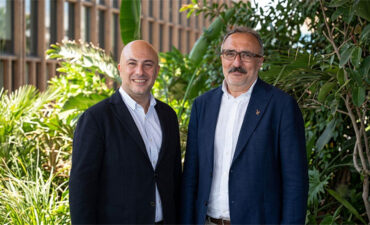
Photo: Khaled Zainalabedin (Bunat Ventures CEO and Managing Partner – left), Sultan Moraished (Group Head of Technology and Corporate Excellence at Red Sea Global)
All new car sales in Norway are electric vehicles
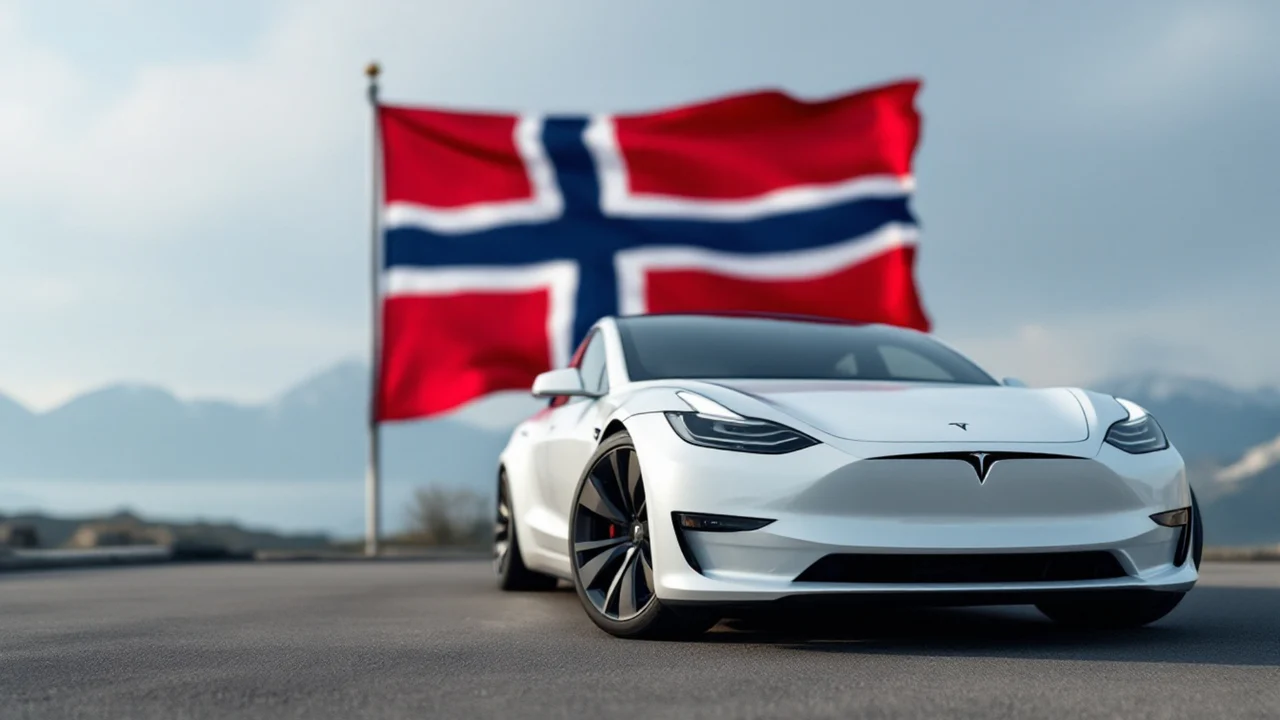
Electric vehicles (EV) accounted for nearly all new car sales in Norway last year, underscoring the country’s rapid shift away from fossil fuel passenger vehicles and placing it far ahead of other global markets.
I saw this story at ESG News and official figures released Friday by the Norwegian Road Federation show that battery-powered vehicles made up 95.9% of new car registrations in 2025, up from 88.9% a year earlier. The share climbed to almost 98% in December as buyers and automakers rushed to complete purchases ahead of higher taxes, according to the story.
Norway began introducing taxes on electric vehicles in 2023, but at the same time increased levies on internal combustion engine cars, sharply shifting the economic balance in favor of battery-powered vehicles. Industry representatives say the approach relies as much on penalties as on incentives, the story noted.
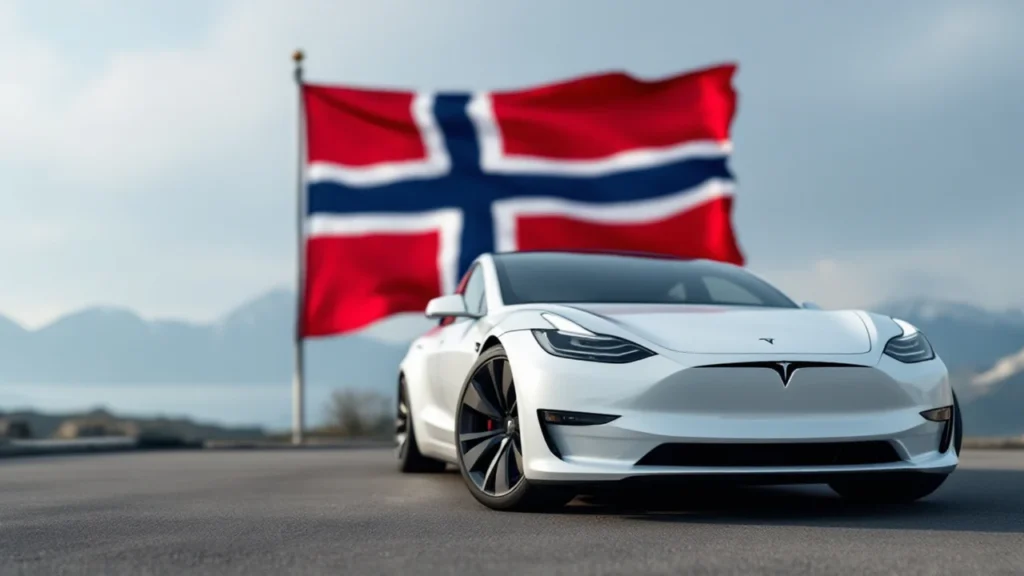
Tesla remained Norway’s top-selling automaker for a fifth straight year, capturing a 19.1% market share. Volkswagen followed with 13.3%, while Volvo Cars accounted for 7.8% of registrations. Tesla sold 27,621 vehicles in the country last year, the highest annual total ever recorded by a single manufacturer in Norway.
Automakers also adjusted supply chains to meet demand shaped by tax policy. Ford Norway Managing Director Per Gunnar Berg said vehicles were redirected to the Norwegian market to beat new tax thresholds, per the story.
In October, the government announced it would impose up to $5,000 in value-added tax per electric vehicle starting Jan. 1, prompting a surge in year-end registrations. Electric vehicles priced below 300,000 Norwegian crowns, or about $30,000, will remain exempt from the tax in 2026, the story emphasized.