This week’s stories are about tech, startup and e-commerce, coming from Sweden and the USA
Rivian to supply 50,000 robotaxis to Uber in $1.25 billion deal
Electric vehicle maker Rivian will supply up to 50,000 robotaxis to ride-hailing platform Uber under a partnership valued at $1.25 billion.
I saw this story at Engadget and the agreement begins with Uber purchasing 10,000 Rivian R2 robotaxis, with initial deployments planned in San Francisco and Miami by 2028. If performance targets are met, Uber could acquire an additional 40,000 vehicles by 2030, expanding the service to as many as 25 cities by 2031, per the story.(By the way I have a story here about Uber’s acquisition Getir, a Turkish e-commerce business)
The full investment is tied to the achievement of key autonomous driving milestones. Uber has already committed an initial $300 million, pending regulatory approvals.
The deal adds to Uber’s growing network of autonomous vehicle partnerships. The company recently introduced an in-house robotaxi fleet developed with Lucid Motors and Nuro, and separately announced a collaboration with NVIDIA to develop software-driven autonomous vehicles,according to the story. Let me note that the deployments expected in Los Angeles and San Francisco in the first half of 2027. Uber has also partnered with Waymo to roll out robotaxis in cities including Atlanta and Austin.
Rivian, meanwhile, continues to expand its presence in the electric vehicle market. The company recently announced pricing and availability for its R2 electric SUV, which is expected to launch this spring with a starting price of $58,000. A lower-cost version is planned for release in 2027, the story emphasized.

Rivian to supply 50,000 robotaxis to Uber
Amazon expands rapid delivery with new 1-hour, 3-hour options
Amazon said it is expanding faster delivery services across the United States, introducing new 1-hour and 3-hour options that allow customers to receive tens of thousands of products within hours.
The company said more than 90,000 items—including household essentials, health and beauty products, over-the-counter medications, electronics, and clothing.
One-hour delivery is currently available in hundreds of U.S. locations, including major metropolitan areas such as Los Angeles, Chicago and Houston, as well as smaller cities like Boise. Three-hour delivery has been rolled out more broadly, reaching more than 2,000 cities and towns nationwide.
Customers can identify eligible products through new labels displayed during the shopping experience, along with search filters highlighting items available for delivery within one or three hours. The service operates seven days a week, with further geographic expansion planned in the coming months.
Amazon announced the new options build on its existing Same-Day Delivery network, using its current fulfillment infrastructure to accelerate delivery speeds. The company has expanded same-day service to more than 9,000 U.S. cities and towns since its launch in 2015.
Prime members receive discounted delivery fees, paying $9.99 for one-hour delivery and $4.99 for three-hour delivery, while non-members are charged higher rates. Same-day delivery remains free for qualifying orders for Prime subscribers.

Amazon expands rapid delivery with new 1-hour, 3-hour options
Flightradar24 becomes aviation’s most-watched screen amid flight disruptions
When global tensions rise or disasters strike, millions turn to one app to track events in real time: Flightradar24. The Swedish-founded service allows users to follow aircraft movements on a digital map, displaying altitude, speed, route, and aircraft type.
I read this story at Euronews and launched out of curiosity by Mikael Robertsson and Olov Lindberg, commercial pilot Chris Lomas said it helps build situational awareness, allowing crews to track incoming aircraft, anticipate delays, and monitor runway operations.
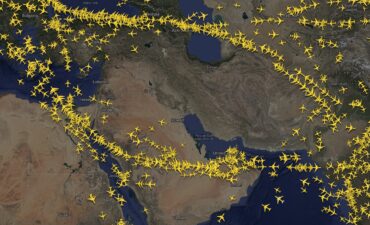
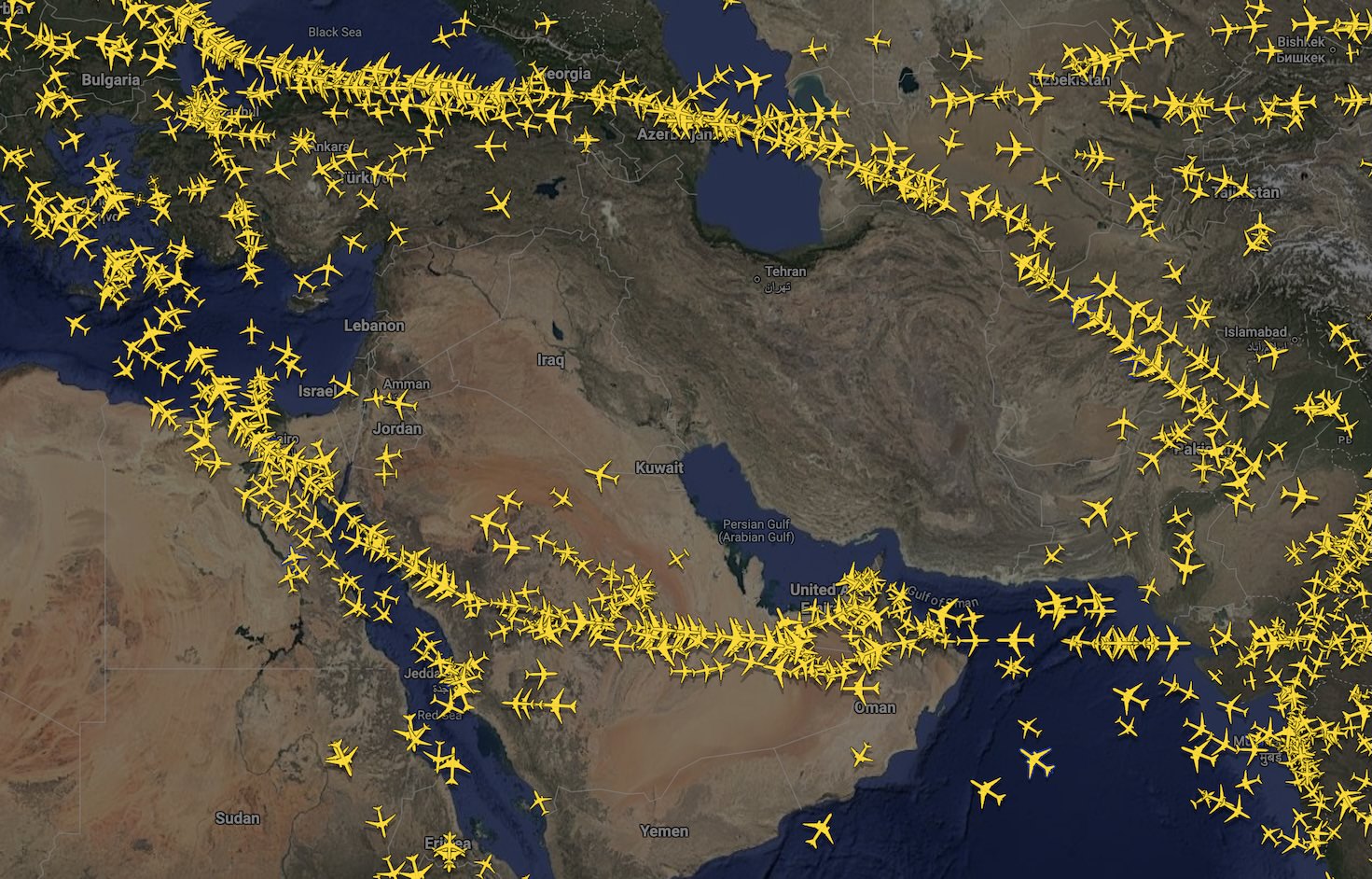
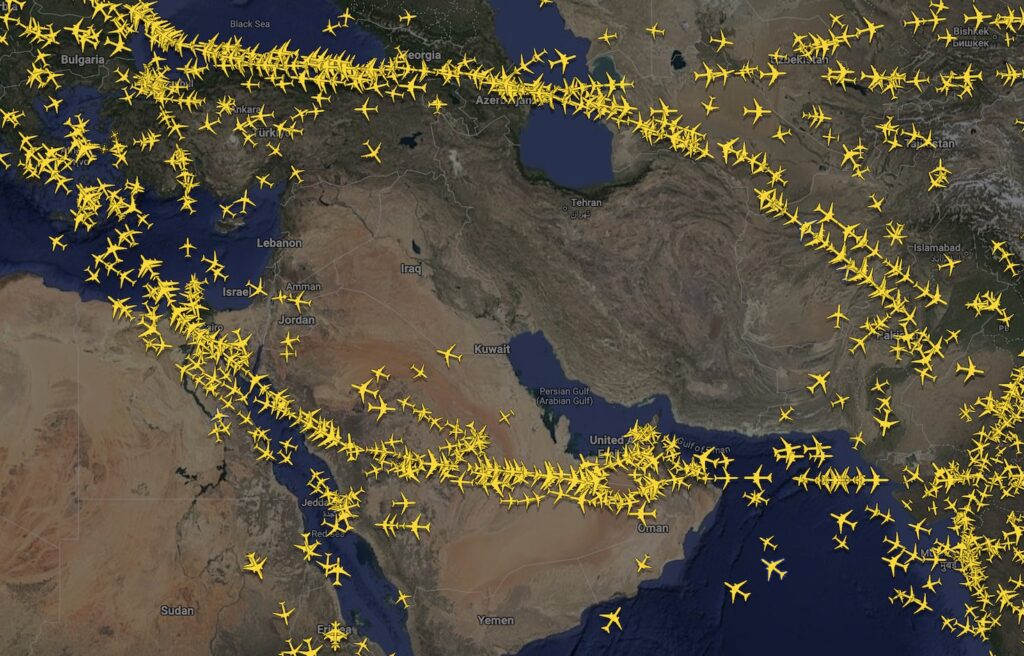
Flightradar24 also sees surges in public attention during crises. During recent US-Israel strikes on Iranian targets in February 2026, site traffic quadrupled to about 20 million visits in a single day, compared with the typical five million daily users, according to the story. The conflict prompted airlines to reroute or cancel flights across Iran, Iraq, Israel, and neighboring countries, dramatically reshaping flight corridors between Europe and Asia.
Let me not that the platform has previously aided in major aviation events. Data from Flightradar24 helped redirect the search for MH370 in 2014 and provided key information on the Germanwings crash in 2015, revealing the aircraft’s steady descent into the French Alps, per the story. Despite its extensive network, Flightradar24 faces limitations. Signals can be jammed or spoofed in conflict zones, sometimes displaying aircraft in incorrect locations. Remote regions and oceans remain coverage challenges, though volunteers continue to expand the network to isolated areas, including Antarctica, the story emphasized.
Flightradar24 becomes aviation’s most-watched screen amid flight disruptions