This week’s stories are about tech, startup and sustainability, coming from EU, Korea and the USA
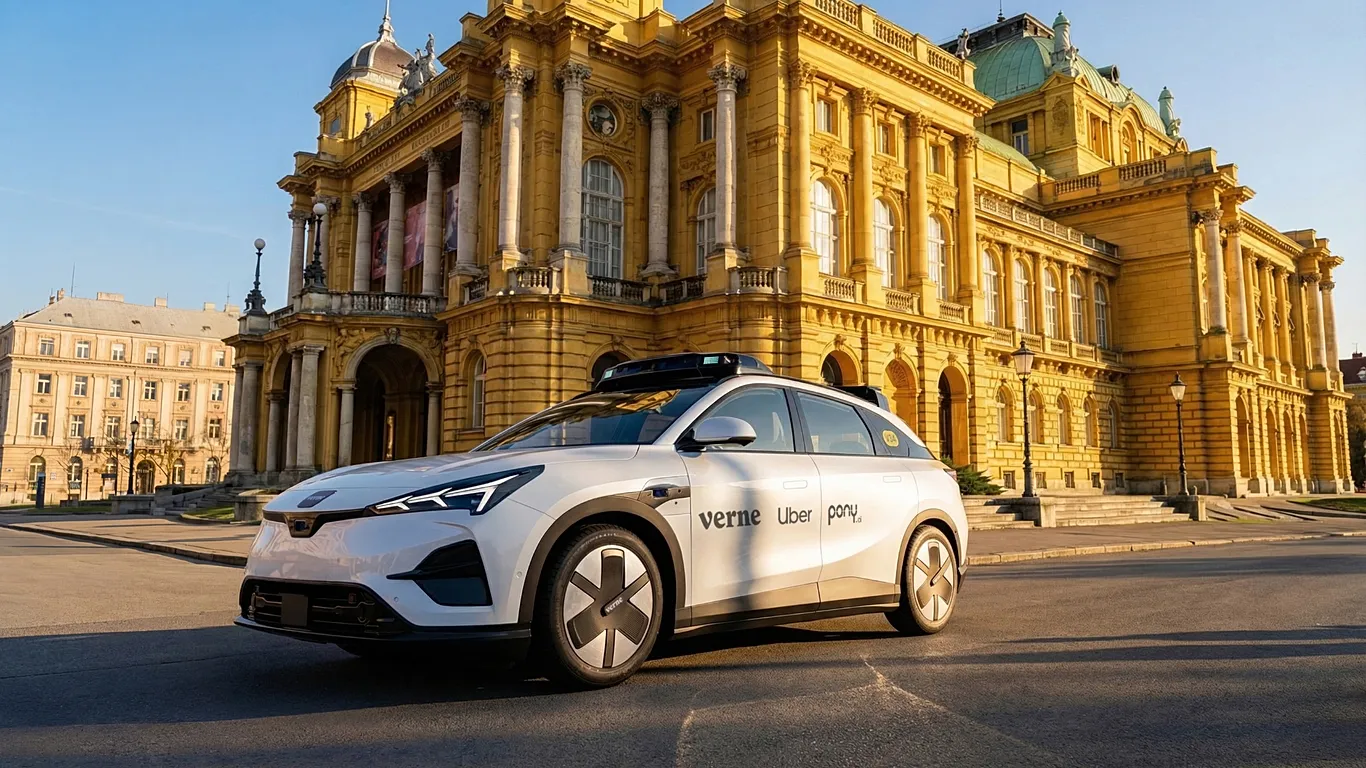
A Croatian startup, Uber, and Pony.ai introduce robotaxi in Europe
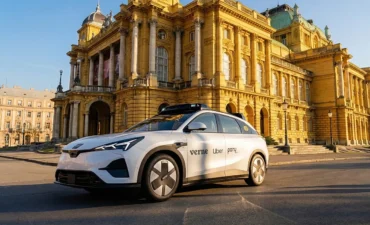
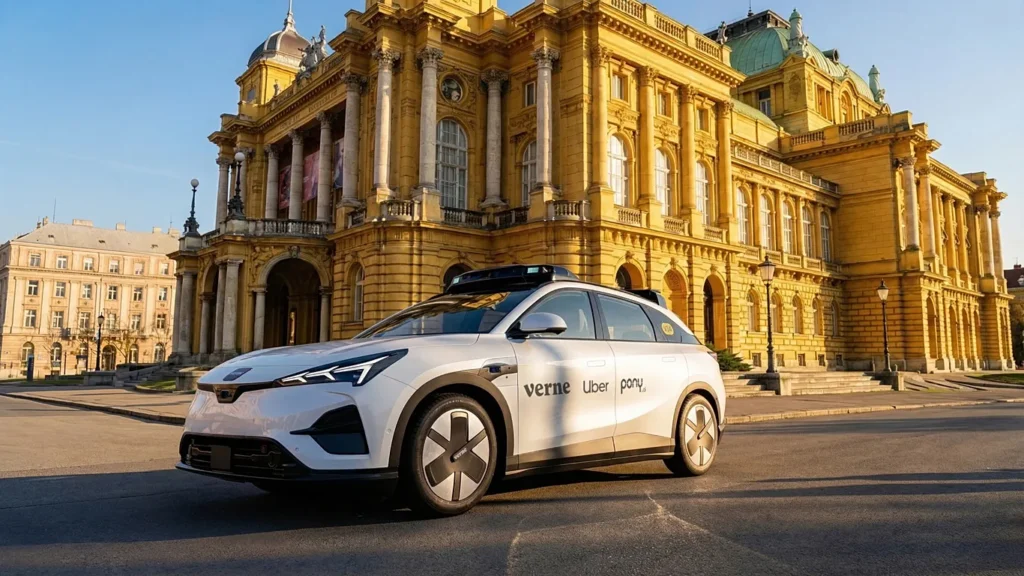
A Croatian startup, Verne, is partnering with ride-hailing company Uber and China-based autonomous driving firm Pony.ai to bring a commercial robotaxi service to Europe, beginning in the Croatian capital.
I saw this story at Euronews and under the partnership, Pony.ai will provide the autonomous driving system, while Verne will own and operate the fleet. Uber will integrate the service into its global ride-hailing network alongside Verne’s own platform. (By the way I have a story here about Uber and its acquisition of Getir)
The initiative comes as Chinese autonomous vehicle companies expand their presence in Europe amid regulatory and market challenges in the United States, according the the story. Pony.ai has already partnered with Bolt to introduce self-driving vehicles in Europe.
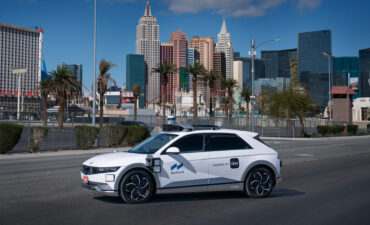
Uber has announced plans to deploy autonomous vehicles in Madrid in 2026, while U.S.-based Waymo and Uber have begun testing robotaxis in London, as a side note.
Autonomous vehicles rely on a combination of sensors, software and onboard systems to navigate roads without human input. Pony.ai’s technology uses machine learning and deep learning to interpret driving environments and control vehicle movement.
The companies did not disclose a launch date but said road testing has already begun in Zagreb using Pony.ai’s latest-generation system installed in the Arcfox Alpha T5 Robotaxi, per the story.
Verne will also be responsible for securing regulatory approvals in Europe and coordinating deployment across both its own platform and Uber’s network.
As part of the agreement, Uber will invest in Verne and support its future expansion.
A Croatian startup, Uber, and Pony.ai introduce robotaxi in Europe
US Ambassador warns EU to stop fining BigTech
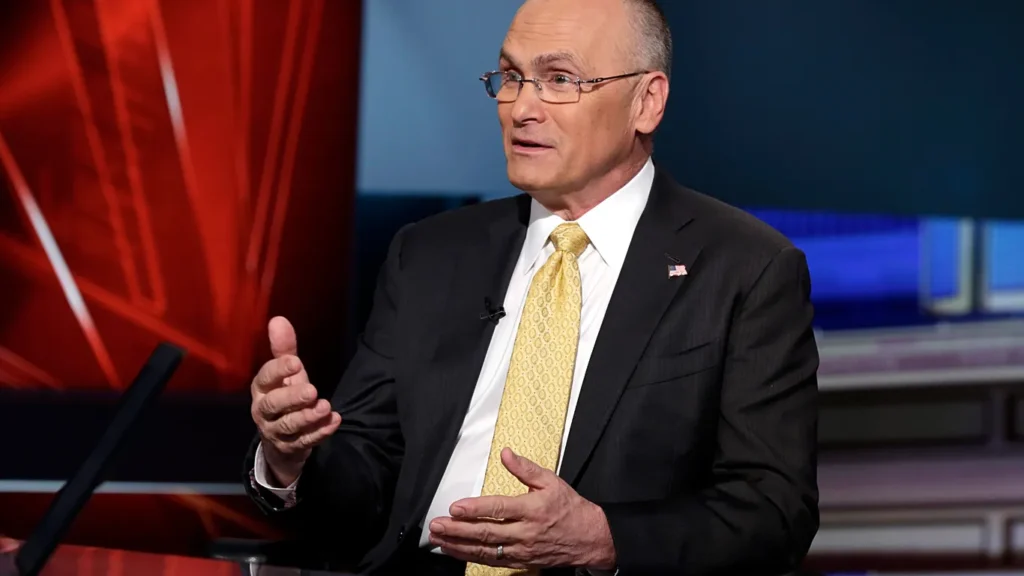
Andrew Puzder, The U.S. Ambassador to the European Union, warned stricter regulation and fines targeting American tech companies could undermine Europe’s ability to compete in the artificial intelligence (AI) economy.
“If you regulate them off the continent, you’re not going to be a part of the AI economy,” Puzder said in an interview with CNBC.
His remarks come after a series of enforcement actions by the European Commission against large U.S. tech firms, drawing criticism from officials in the administration of former President Donald Trump.
Puzder emphasized Europe would need access to U.S.-based AI infrastructure, including data centers and hardware, to remain competitive, and warned against what he described as shifting regulatory standards and large financial penalties.
EU officials have defended their approach. In 2025, Competition Chief Teresa Ribera underlined companies operating in the bloc must comply with European laws and values.
The EU has stepped up enforcement in recent months. Meta was warned in February over its WhatsApp AI policies after being fined €200 million earlier in the year. Apple was fined €500 million in April, while Google faced a €2.95 billion penalty in September, according to the story.
In December, X was fined €120 million. U.S. Secretary of State Marco Rubio criticized the move at the time as an attack on American technology platforms.
Separately, the European Commission said last week it had started formal proceedings into Snap over whether its social media platform Snapchat complies with the bloc’s Digital Services Act, particularly regarding child safety online.
Andrew Puzder US Ambassador warns EU to stop fining BigTech
Seoul launches stricter nighttime brightness limits for large outdoor LED billboards
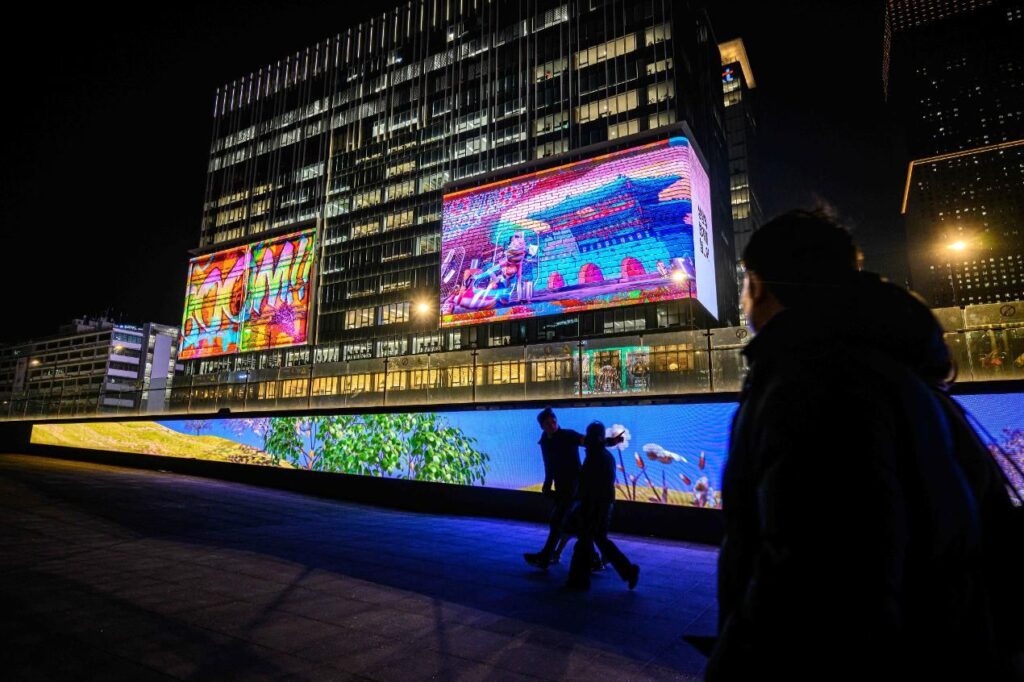
City officials in Seoul introduced stricter nighttime brightness limits for large outdoor LED billboards following growing complaints about light pollution and its impact on pedestrians and drivers.
I saw this story at Korea Times and under the regulations, a daytime brightness cap of 7,000 candelas per square meter has been set — the first such daytime limit introduced by a local government in South Korea. Officials announced the threshold was based on field data and international standards and is intended to maintain adequate visibility.
At night, brightness limits will vary depending on billboard size and time of day, ranging from 350 to 500 candelas, significantly lower than the previous ceiling of 1,500, according to the story. Medium-sized billboards are defined as those between 30 and 225 square meters, while larger displays exceed 225 square meters.
From one hour after sunset until midnight, brightness will be capped at 500 candelas for medium-sized signs and 400 for large ones. After midnight, the limits will be reduced to 400 and 350 candelas, respectively, the story noted.
The standards are based on a survey of 52 billboards conducted between January and March and will apply to all displays measuring 30 square meters or more starting this week.
In addition to brightness limits, the city is encouraging operators to adopt content practices that reduce glare, including using lower-brightness imagery, smoother transitions and minimizing flashing effects. Officials said the measures could also reduce energy consumption by about 15%, the story claimed.
Since 2016, starting with the Coex area in Gangnam, the city has designated multiple zones — including Gwanghwamun Square and Myeong-dong — where billboard regulations are more relaxed, the story added.
Seoul launches stricter nighttime brightness limits for large outdoor LED billboards